Diving in Cozumel
Cozumel is more than just a diving destination — it’s the Drift Diving Capital of the World! At Sand Dollar Sports, you can enjoy effortless drift dives along vibrant coral reefs, thanks to Cozumel’s famous currents.
The reefs are rich with hard and soft corals, creating a lively underwater ecosystem with over 500 species of Caribbean fish, nearly 70 coral species, and about 8,500 sponge species. This marine park is also a vital sanctuary for endangered species such as the three sea turtles (loggerhead, green, and hawksbill), queen triggerfish, queen conch, black coral, and splendid toadfish. With abundant marine life, pristine reefs, and warm, crystal-clear Caribbean waters, Cozumel is known as one of the world’s top diving destinations.
Come explore Cozumel’s underwater wonders with us! Discover more of our amazing dive sites with one of our Scuba Dive Packages.
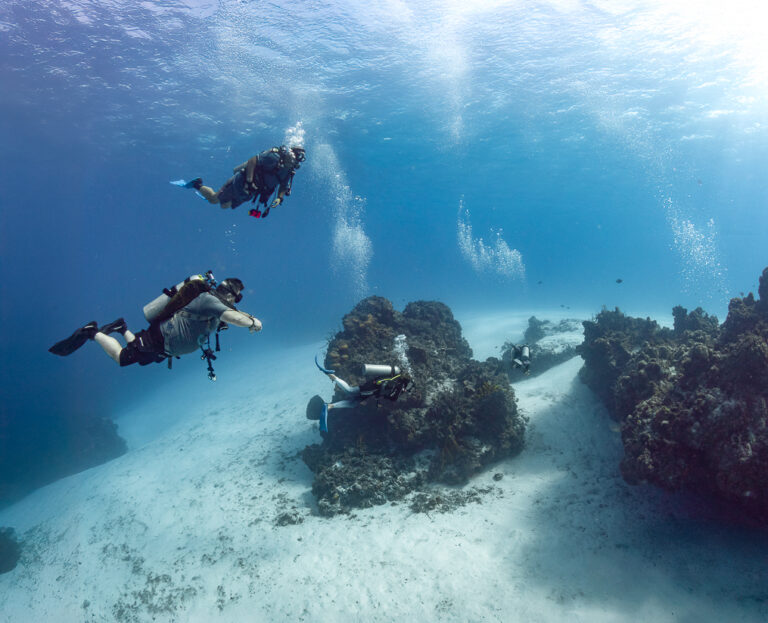
complete cozumel dive guide
Best Dive Sites in Cozumel
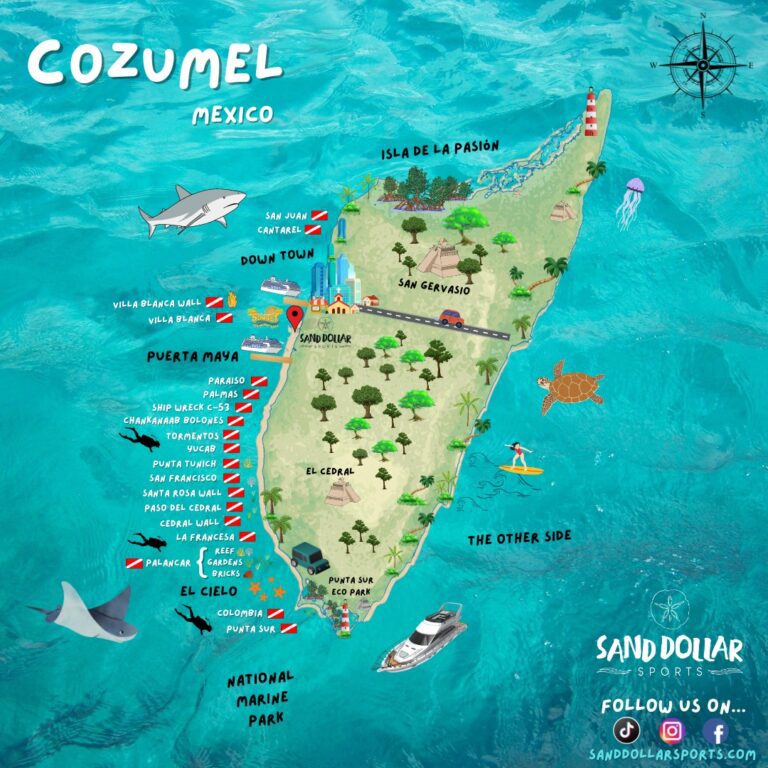
You can use this handy list of the most visited dive sites as a Cozumel dive guide.
The dive site descriptions below provide a brief overview of what your dive might look like. The listed depths are the dive depths we aim to adhere to for safety. Our divemaster-to-guest ratio (6:1) is smaller than that of many other dive centers, ensuring the protection of our guests, particularly in areas with strong currents.
It’s highly recommended for divers to have dive insurance, as the cost of treatment can escalate quickly without it.
We have several dive chambers here, and the doctors are well-trained. We recommend Divers Alert Network dive accident and dive travel insurance. You can learn more about their plans and purchase here.
Beginner Friendly and Intermediate Dive Levels
Villa Blanca--Our House Reef
Villa Blanca Reef is our house reef. This vibrant reef is home to abundant marine life, including tropical fish, eagle rays, and sea turtles, all thriving amidst our active coral reef restoration program. With ongoing efforts to rejuvenate the reef’s ecosystem, divers not only explore the beauty of Villa Blanca but also witness firsthand the positive impact of our coral reef restoration efforts we are doing in partnership with the Cozumel Coral Reef Restoration Program.
- Depth: 10 - 30 feet
- Currents: Mild
- Recommended for: All dive levels
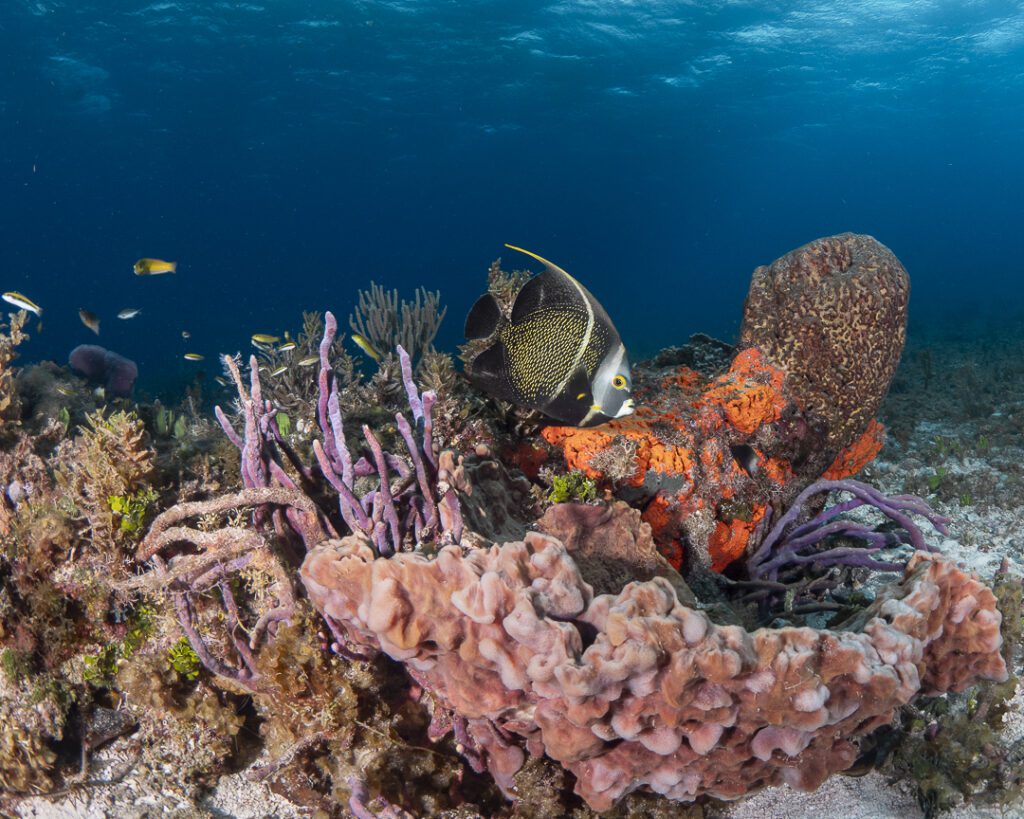
Las Palmas Wall
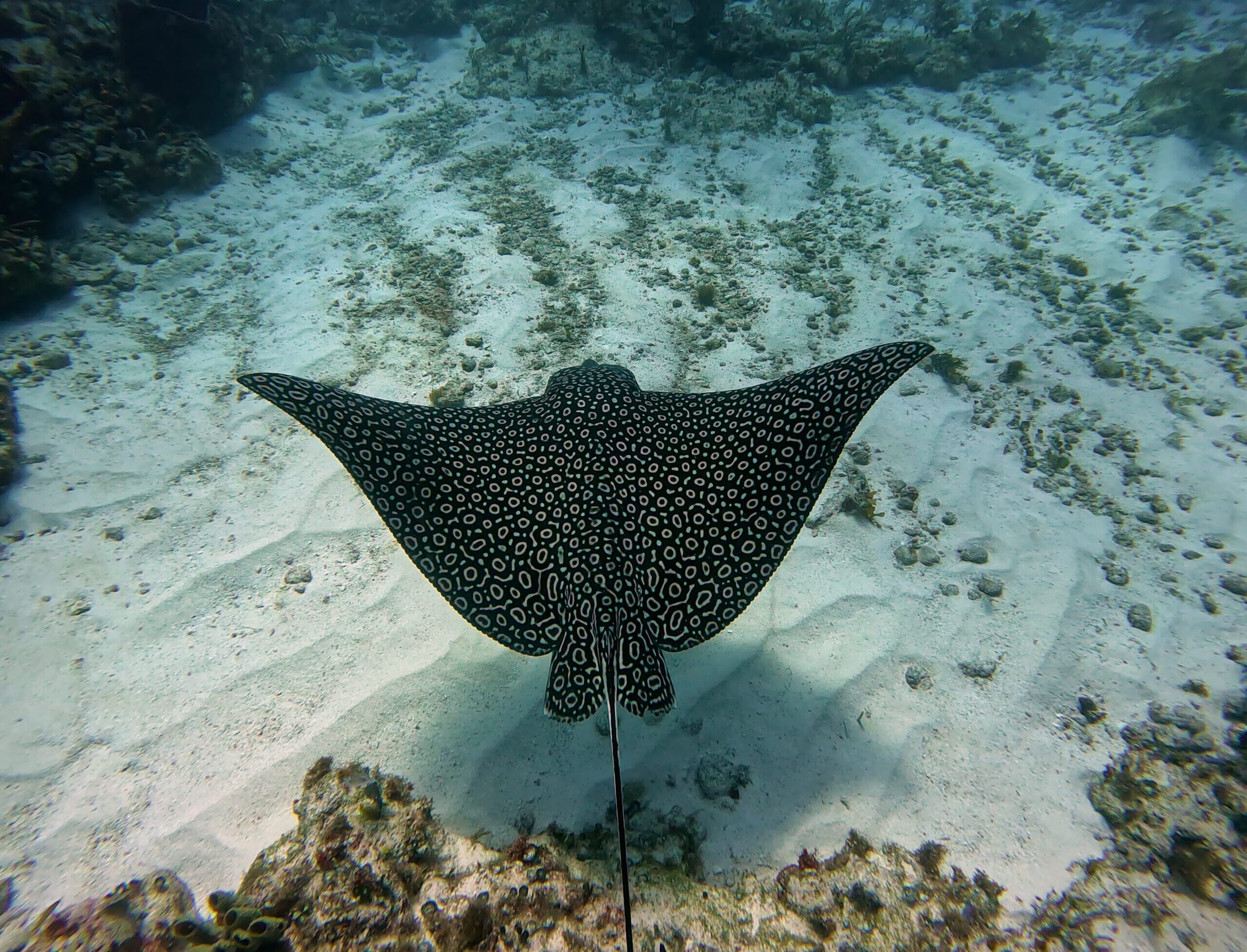
Palmas Wall offers an exhilarating dive experience with its steep wall that plunges down to 120 feet, but divers stay at around 50 feet. The reef is characterized by its impressive coral formations and rich marine biodiversity, including nurse sharks, sea turtles and eagle rays. Currents can vary from mild to moderate, so divers should be prepared for some drift diving. The site is excellent for observing both macro and pelagic species.
- Depth: 45 - 70 feet
- Currents: Mild to moderate
- Recommended for: Intermediate divers
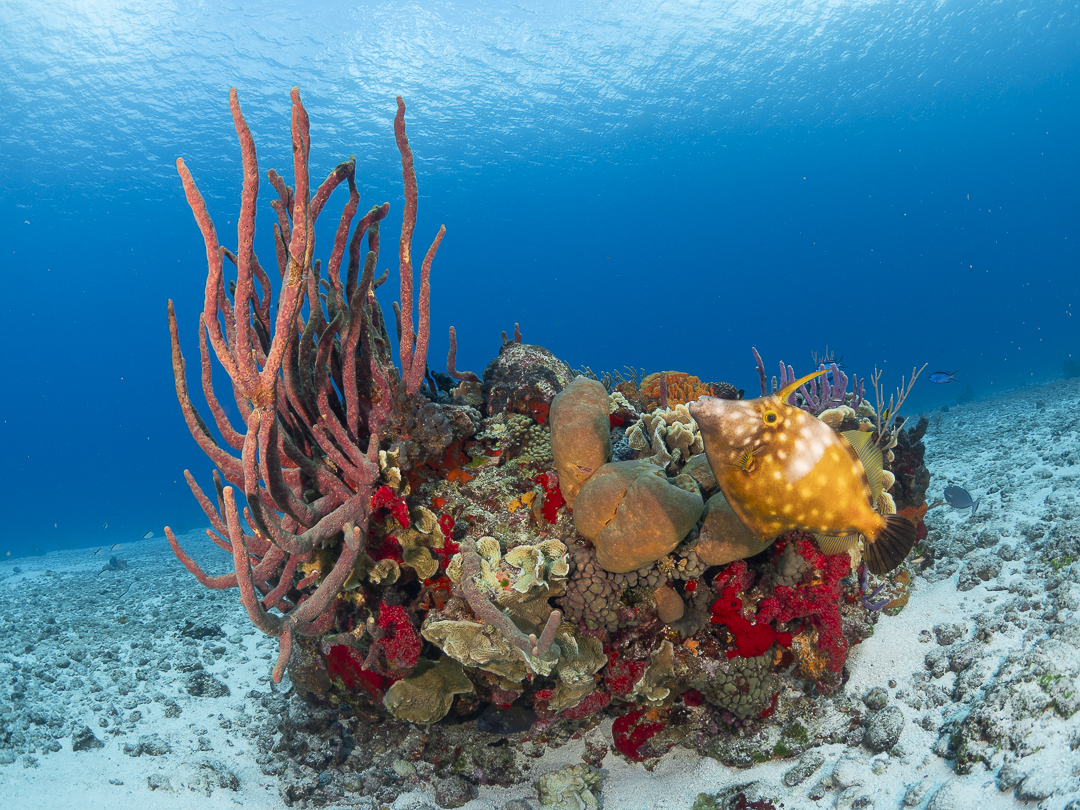
Yucab
Yucab is a vibrant reef known for its shallow to moderate depths. It features a colorful mix of coral formations, sponges, and a wide variety of fish species. The currents at Yucab are generally mild, making it a great spot for divers of all levels. The site is perfect for those interested in observing the rich marine life and enjoying a relaxed dive.
- Depth: 45 - 55 feet
- Currents: Mild
- Recommended for: All dive levels
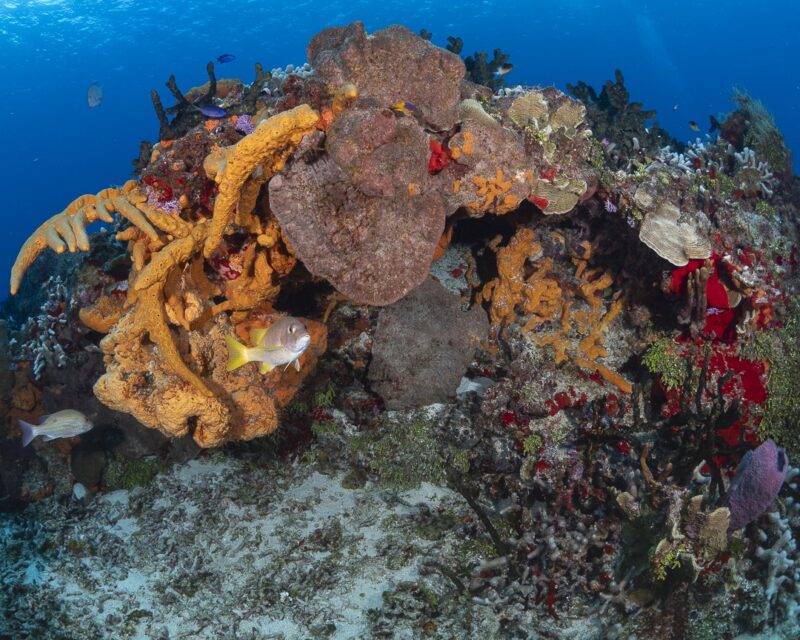
San Francisco Wall
San Francisco Wall provides a breathtaking diving experience with its wall that descends to around 130 feet. The reef is known for its lush coral gardens, vibrant fish life, and the occasional sighting of larger species such as turtles and nurse sharks. Currents are typically mild to moderate, making it suitable for divers of various skill levels.
- Depth: 20 - 70 feet
- Currents: Mild to moderate
- Recommended for: All dive levels
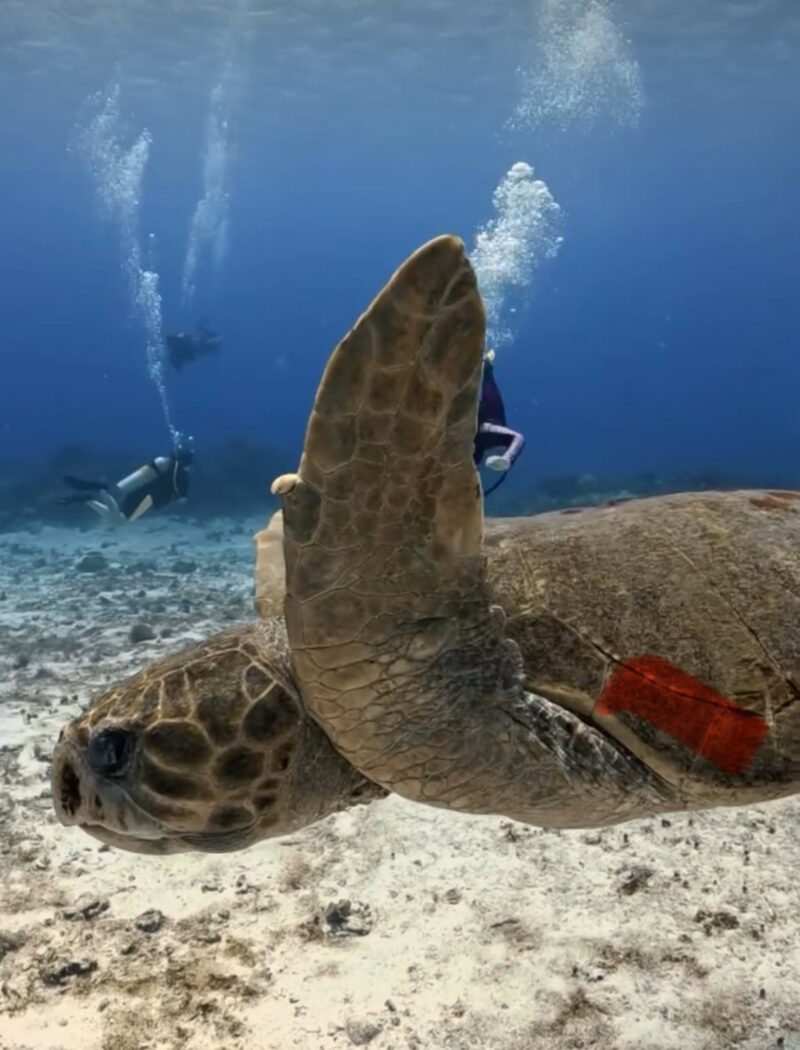
Tormentos
Tormentos is a popular dive site known for its diverse coral formations and marine life. The site offers vibrant coral gardens and a chance to see a variety of fish species, including occasional encounters with rays and eels. Currents at Tormentos are generally mild to moderate, making it suitable for divers of various experience levels.
- Depth: 50 - 70 feet
- Currents: Mild to moderate
- Recommended for: All dive levels
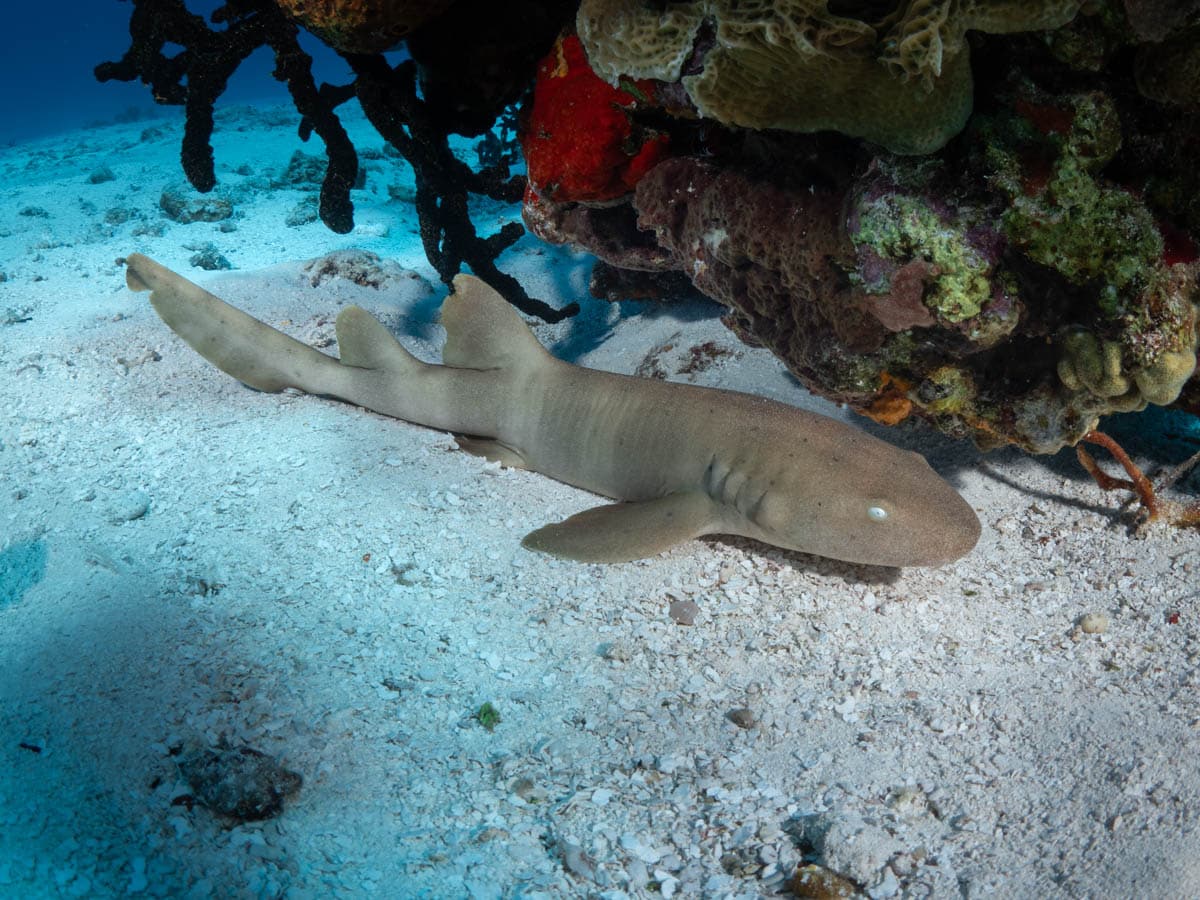
Chankanaab
Chankanaab is a popular reef located within the Chankanaab National Park. It boasts vibrant coral gardens and diverse marine life, including schools of fish and occasional rays. The water can be colder due to the fresh water coming out of the La Quebrada cave. Currents are typically mild, making it accessible for snorkelers and divers alike. Chankanaab is a fantastic choice for a more laid-back dive with abundant marine life.
- Depth: 40 - 50 feet
- Currents: Mild
- Recommended for: All dive levels
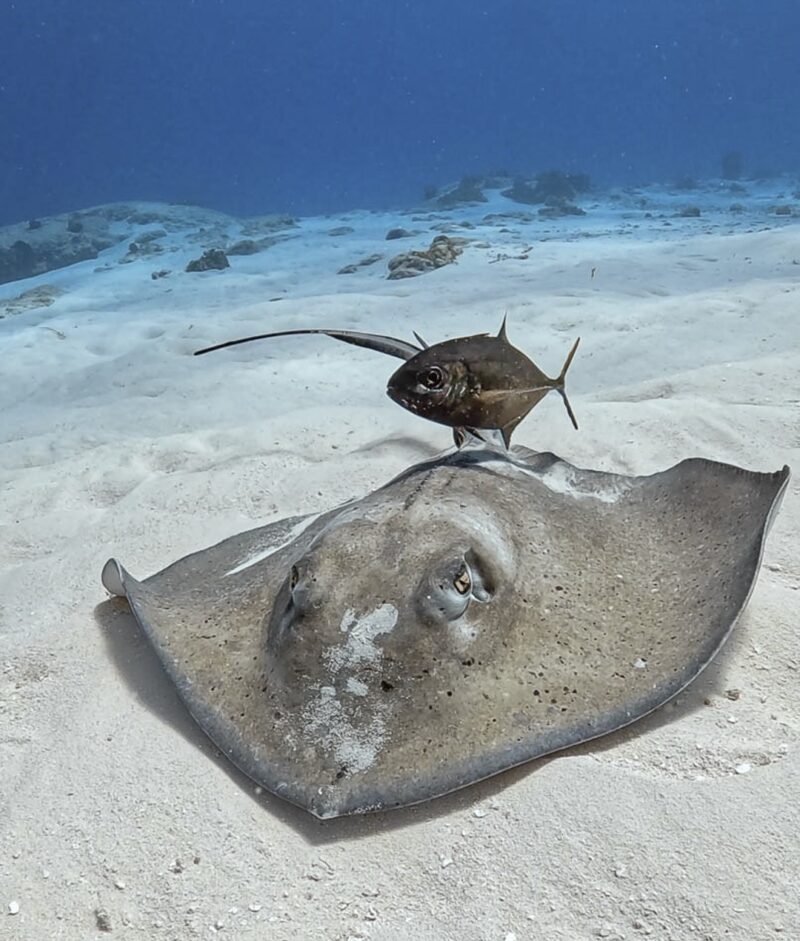
Palancar Reef
Palancar Reef, located on the southern tip of Cozumel, Mexico, is a world-renowned dive site that offers a breathtaking underwater experience. Renowned for its diverse marine life and stunning coral formations, Palancar is a must-visit for any scuba diver. We only go to this dive site if we have groups of 6 or more divers or divers who have purchased scuba packages.
- Depth: 30 - 90 feet
- Currents: Mild to moderate
- Recommended for: All dive levels
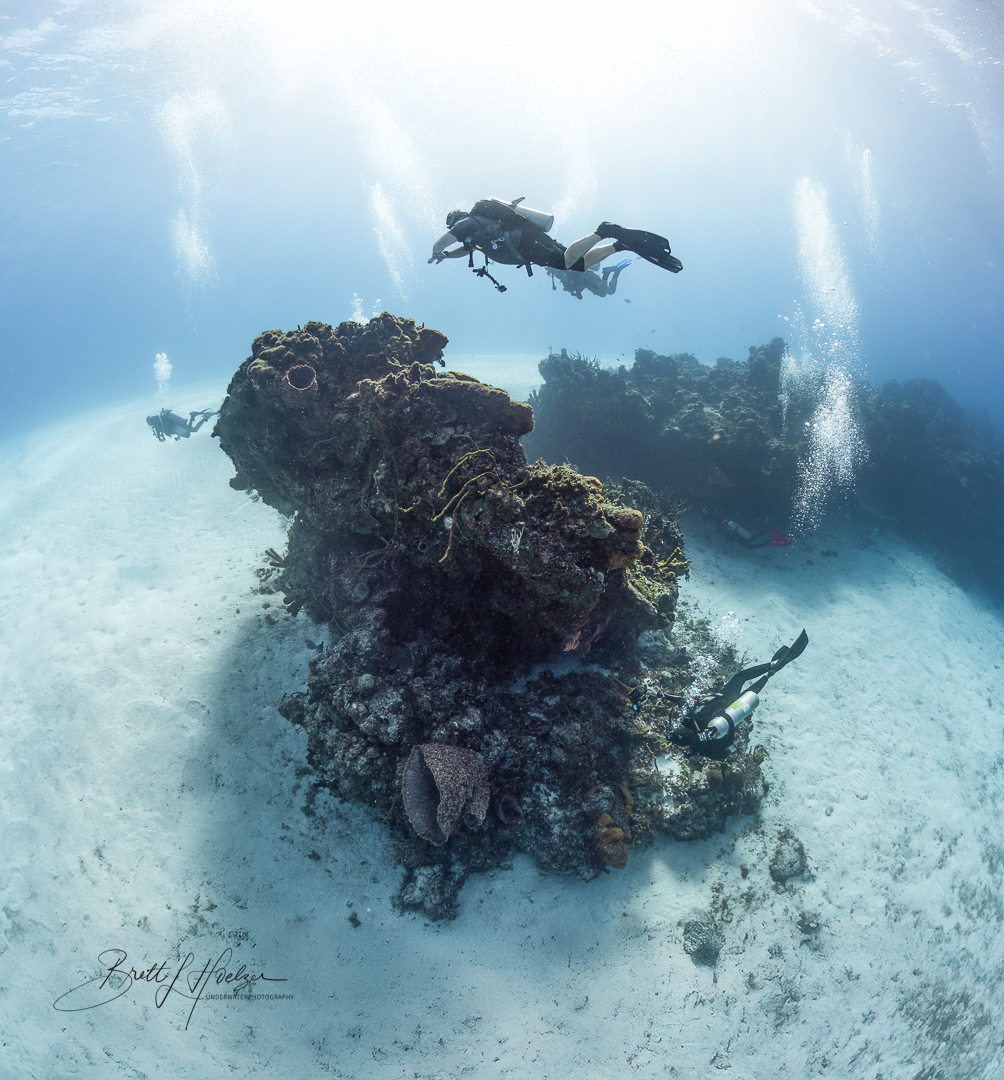
Chankanaab
Chankanaab Bolones is known for its large coral formations and diverse underwater ecosystems. Divers can explore expansive coral gardens, sponges, and a variety of fish species. Currents are usually mild, providing a comfortable diving experience. This site is ideal for those looking to enjoy a leisurely dive with plenty of marine life to observe.
- Depth: 30 - 70 feet
- Currents: Mild
- Recommended for : All dive levels
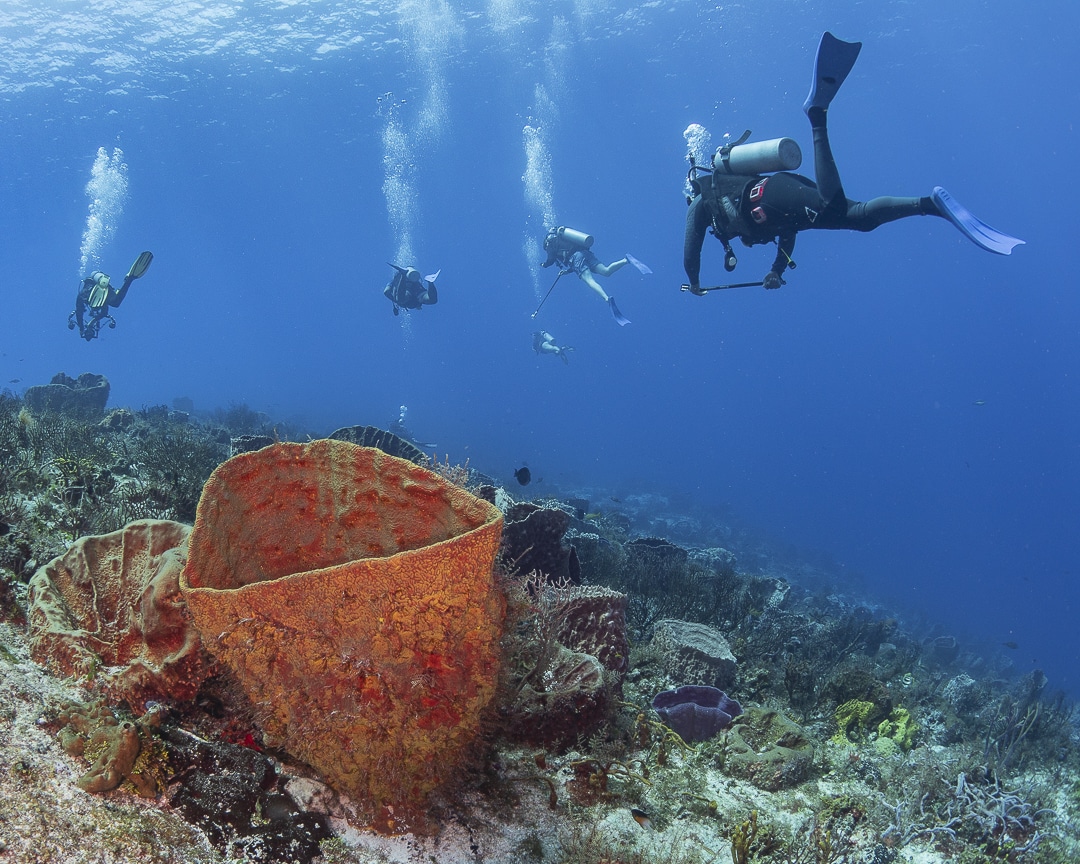
Paraiso Reef
Paradise Reef offers a shallow and bright reef dive. It’s known for its easy access, colorful coral formations, and abundant fish life. The site is ideal for beginners and those looking for a relaxed dive. Currents are typically mild, making it a perfect spot for leisurely exploration and observing the vibrant marine ecosystem.
- Depth: 30 - 50 feet
- Currents: Mild
- Recommended for: All dive levels
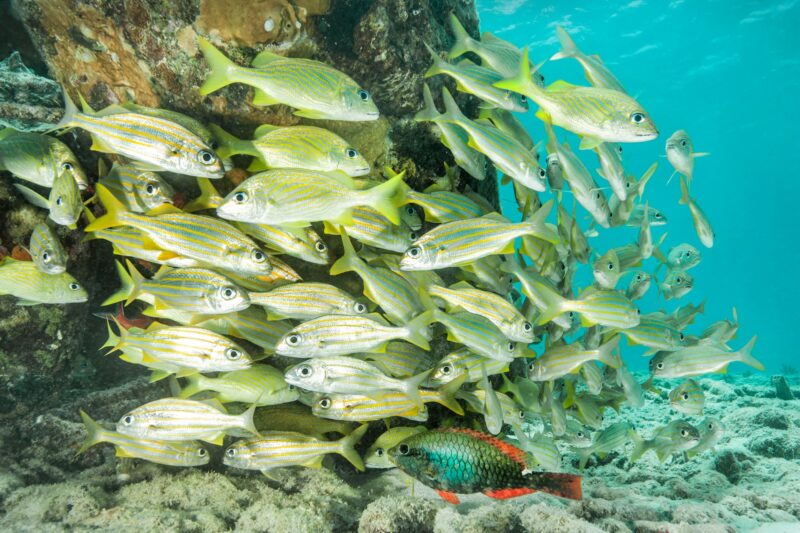
San Clemente
San Clemente features a vibrant reef. The site is characterized by its lush coral formations and diverse marine life, including various fish species and occasional rays. The currents are usually mild to moderate, offering a pleasant diving experience. San Clemente is suitable for divers of various skill levels who enjoy exploring colorful underwater landscapes.
- Depth: 35 - 50 feet
- Currents: Mild to moderate
- Recommended for: All dive levels
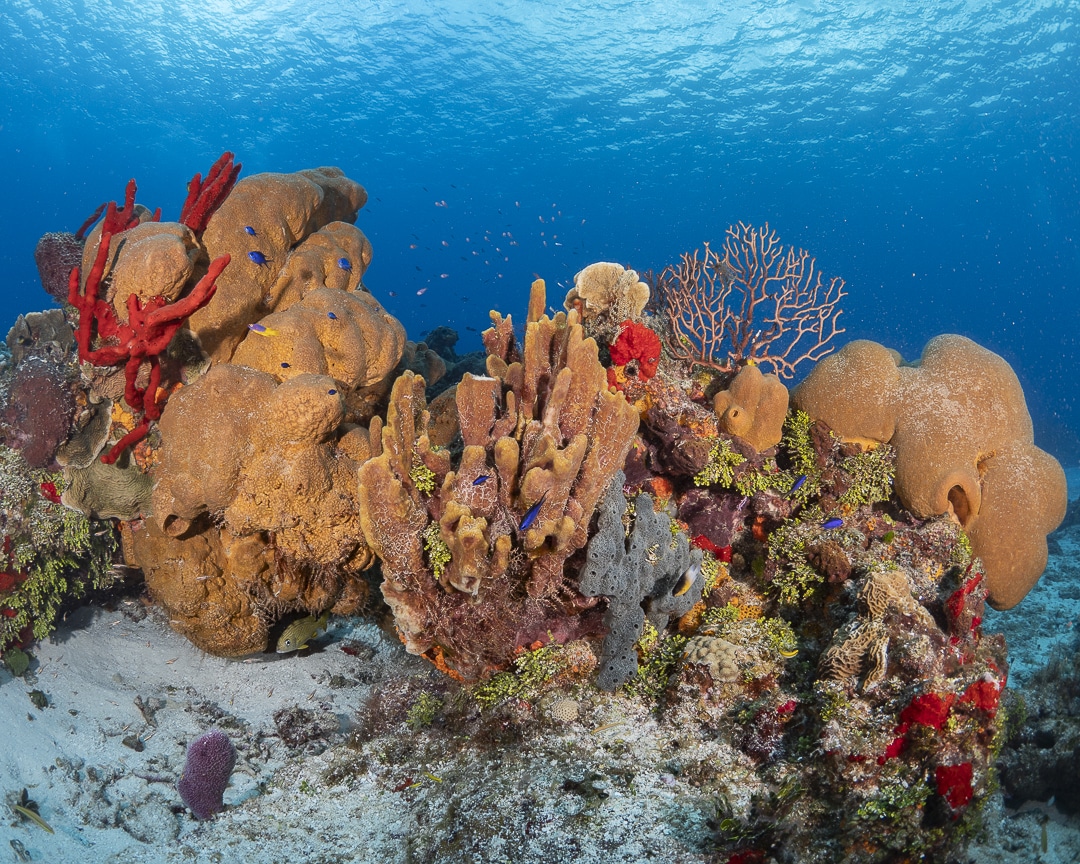
Villa Blanca Wall
Villa Blanca Wall is renowned for its dramatic drop-offs and vibrant marine life. Divers will experience a spectacular vertical wall that descends to depths of around 130 feet. There are some amazing sponges found here. The wall is known for occasional encounters with larger marine species like nurse sharks and barracudas.
- Depth: 45 - 80 feet
- Currents: Mild to moderate
- Recommended for: Intermediate divers
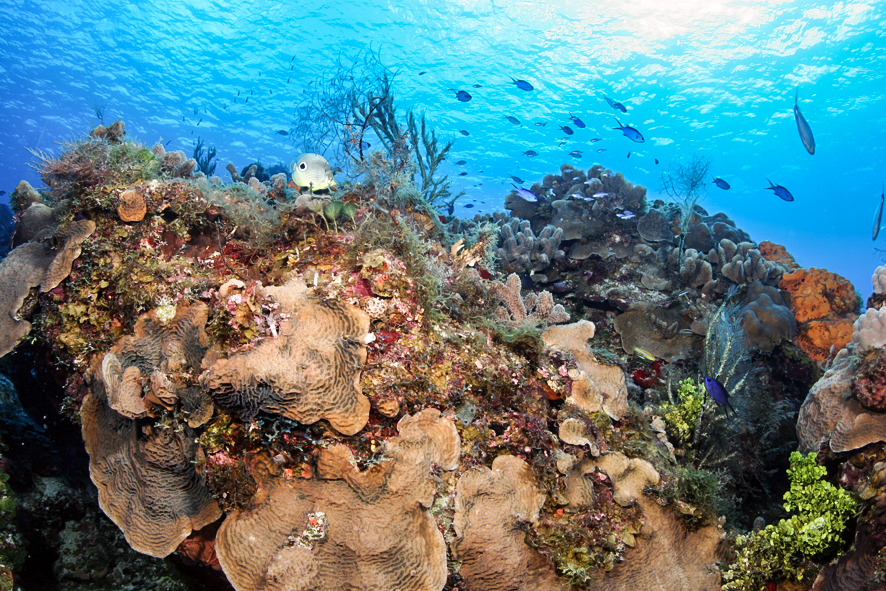
Paso de Cedral
Paso Cedral reef is a vibrant dive site in Cozumel, ideal for divers of all levels. With depths ranging from 30 to 60 feet, this site offers an easy yet exciting underwater experience. Divers can explore colorful coral formations teeming with marine life, including schools of grunts, snappers, and angelfish, along with the occasional spotted eagle ray or nurse shark. The site is known for its mild to moderate currents, making it perfect for a relaxed drift dive while enjoying the stunning underwater scenery.
- Depth: 50 - 60 feet
- Currents: Moderate to strong
- Recommended for: Intermediate to Advanced divers
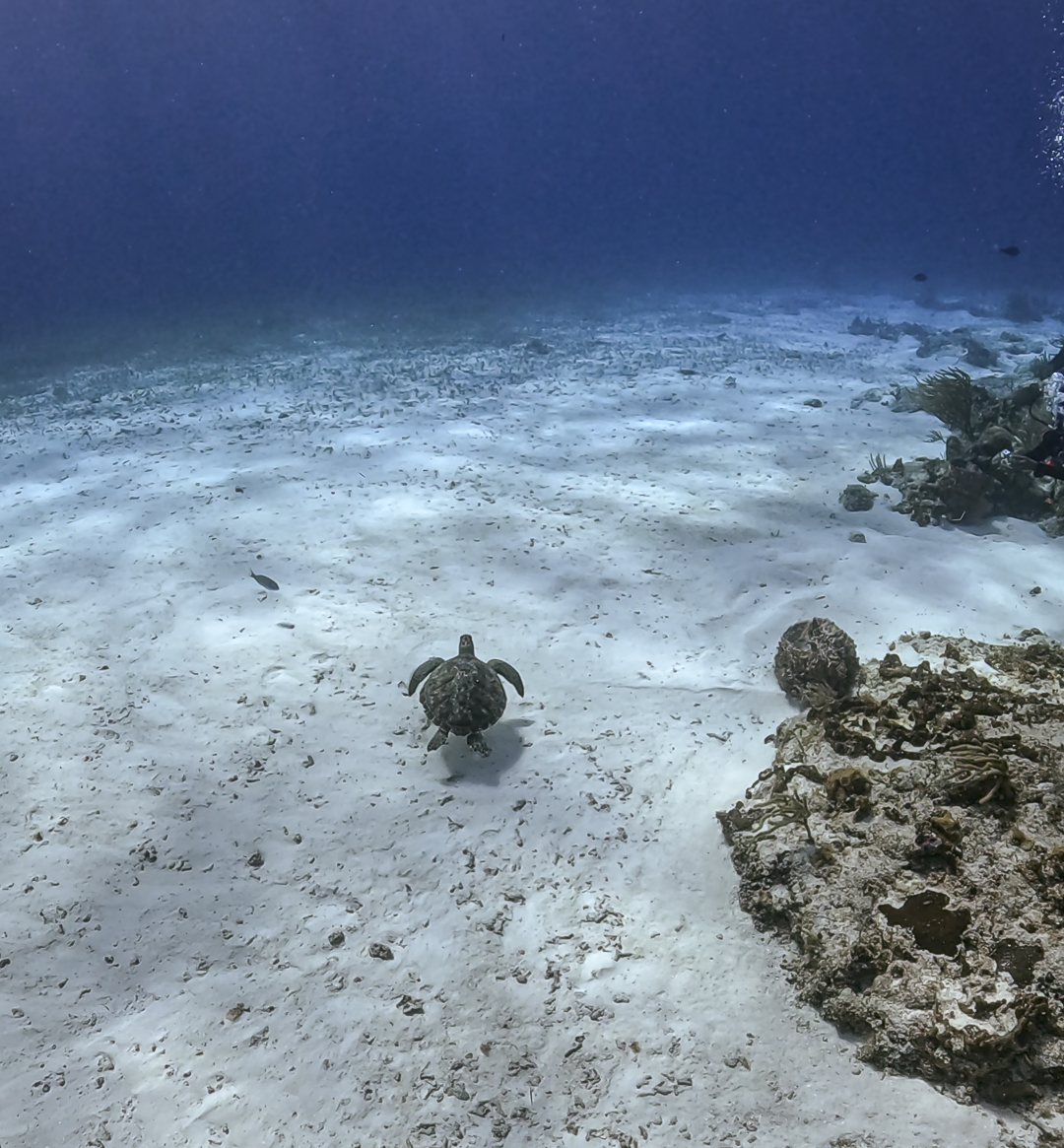
Santa Rosa
Santa Rosa is two dives sites split into a shallow dive and a wall dive. The shallow dive is a white sandy reef where one can find stingrays, turtles, and reef fishes. The depth range is 20 – 50 feet.
The Santa Rosa Wall is one of Cozumel’s most iconic dive sites. The wall is a sheer drop-off and there are many swim throughs that divers enjoy. The reef is renowned for its impressive coral structures, diverse marine life, and occasional sightings of large pelagic species like sharks and rays.
The currents can range from mild to strong, offering a dynamic diving experience. Santa Rosa Wall is ideal for experienced divers who enjoy dramatic underwater landscapes and can handle strong currents.
- Shallow Depth: 20 - 50 feet
- Wall Depth: 50 - 80 feet
- Currents: Mild to strong
- Recommended for: Intermediate to advanced depending on current
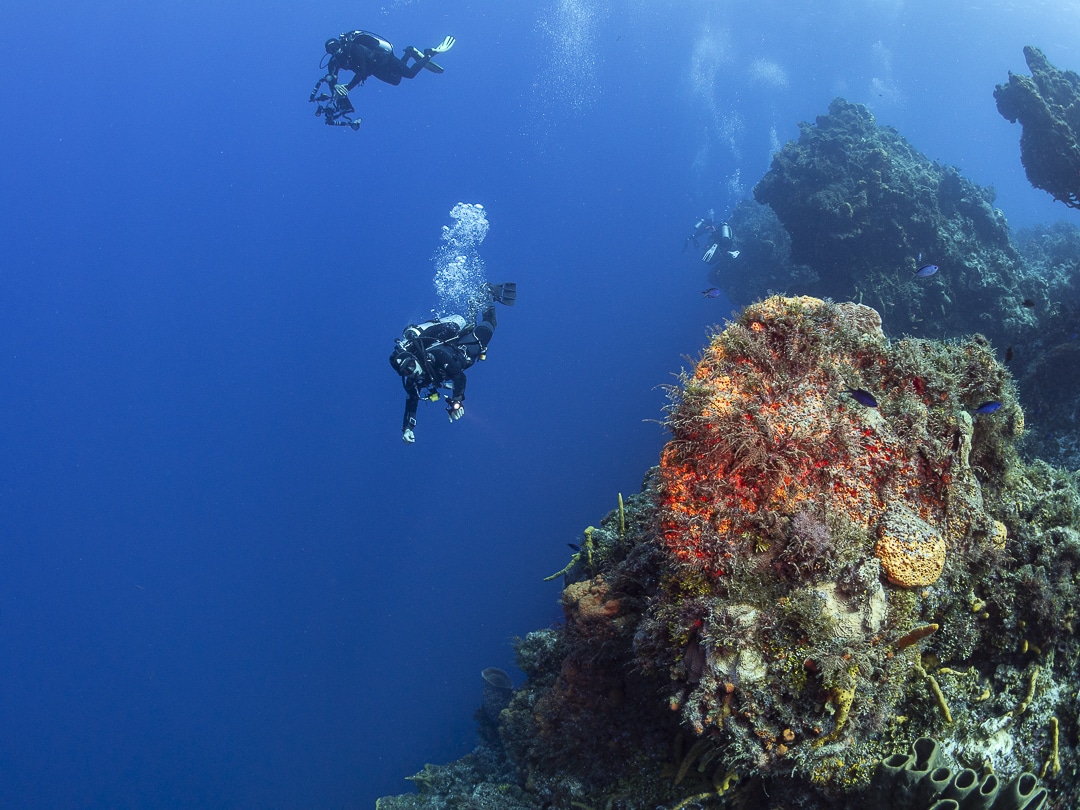
The C53 Wreck
The C53 wreck, also known as the Felipe Xicoténcatl, is one of Cozumel’s most iconic dive sites, offering an intriguing mix of history and underwater adventure. This 184-foot-long WWII-era minesweeper, which was later repurposed by the Mexican Navy, was intentionally sunk in 2000 to create an artificial reef. Resting at a depth of 50 to 77 feet, the C53 is accessible to intermediate and advanced divers. Requires good buoyancy skills to navigate inside. A dive light is needed.
The moderate currents and the depth of the C53 make it an exciting yet manageable dive, perfect for those looking to explore a piece of history while experiencing the rich biodiversity of Cozumel’s waters. It is not uncommon to see schools of grunts hovering around the wreck. Divers also enjoy the sponges and corals that encrust this wreck.
- Depth: 30 to 70 feet
- Currents: Mild to moderate
- Recommended for: Intermediate to Advanced
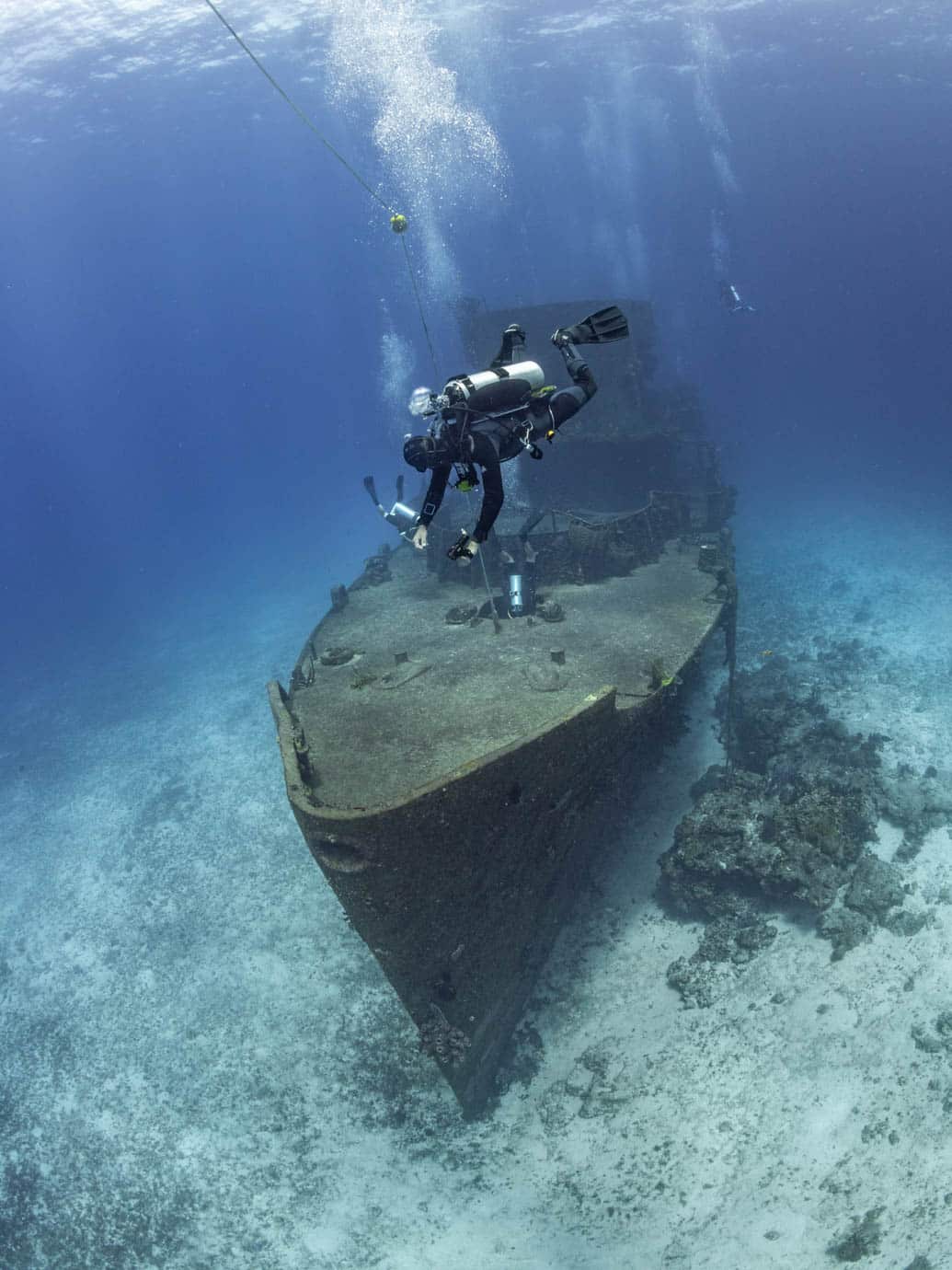
La Francesa
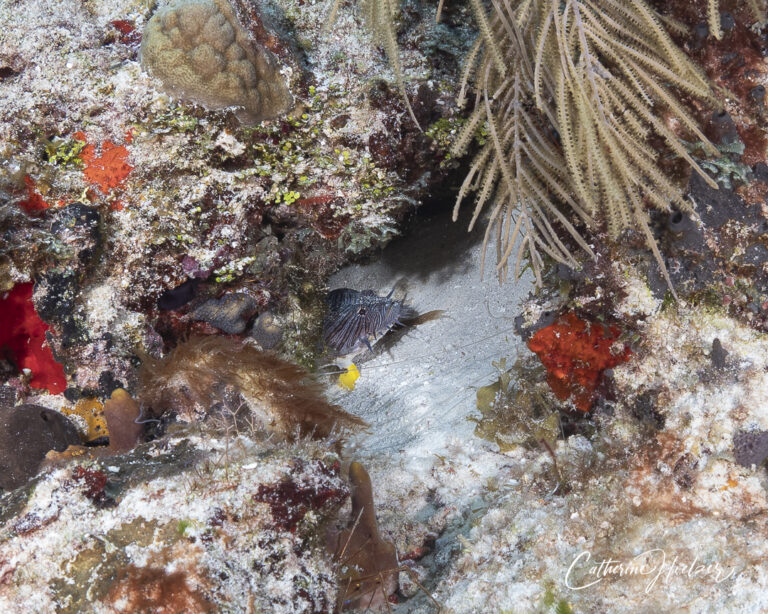
La Francesa is a shallow dive site in south of Cedral. It’s excellent for beginners. You’ll find plenty of marine life and healthy reefs with crests, swim-throughs, and overhangs. Underwater photographers who like macro shots will enjoy spotting unique creatures such as the Cozumel splendid toadfish, as well as sea turtles, rays, and big schools of fish. The current is usually moderate and flows north, making this spot suitable for divers of all experience levels.
- Depth: 40 - 80 feet
- Currents: Mild to Moderate
- Recommended for: All dive levels
Advanced Level Dive Sites
Cedral Wall
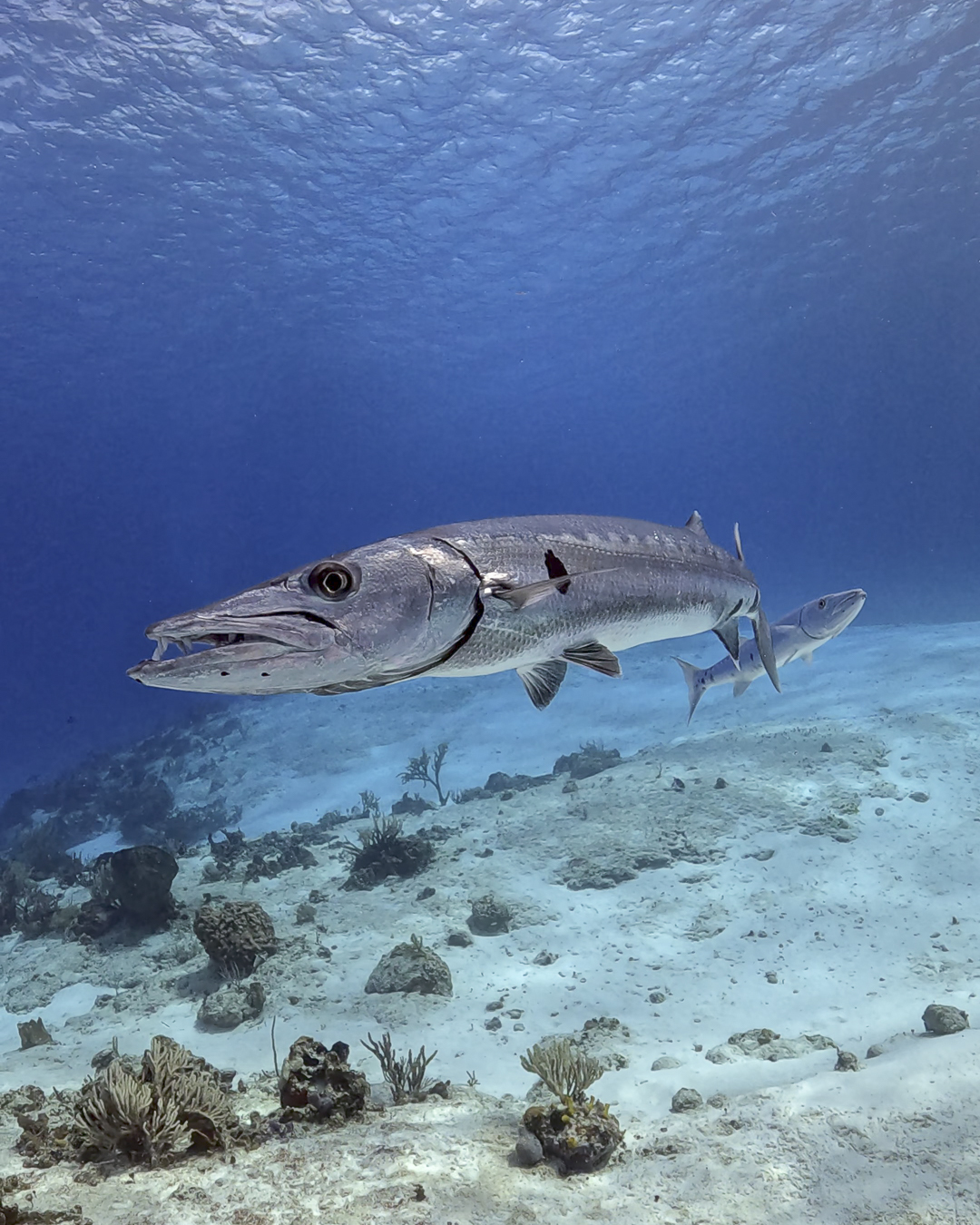
Cedar Wall is one of Cozumel’s most exhilarating dive sites, offering an unforgettable experience for advanced divers. As you drift along the wall, you’ll encounter vibrant coral formations, towering sponges, and a rich tapestry of marine life. Schools of barracuda, angelfish, and snapper are common sights, while turtles, eagle rays and the occasional reef shark add to the excitement.
The site’s strong currents and depth make it best suited for divers with more experience, ensuring a thrilling yet safe dive. Cedar Wall is a must-visit for those looking to experience the dynamic underwater landscapes that have made Cozumel a world-renowned diving destination.
- Depth: 50 - 70 feet
- Currents: Strong
- Recommended for: Advanced divers
Punta Tunich Wall
Punta Tunich Wall is a dramatic vertical wall dive that drops to depths of about 130 feet. It features stunning coral formations, abundant marine life, and occasional large pelagics like rays and sharks. The currents at Punta Tunich can be quite strong at times leading to a quick drift along the wall. The site is ideal for advanced divers who enjoy wall dives fast currents filled with abundant life.
- Depth: 50 - 80 feet
- Currents: Strong
- Recommended for: Advanced divers
Our Reefs are in Danger
Like many areas along the Central American Caribbean coast, Cozumel’s coral reefs face significant damage. Many factors, such as climate change, pollution, and overfishing, have led to an 80% decline in our reef system in the past 40 years.
Cozumel’s reefs require urgent and sustained conservation efforts to ensure their survival for future generations. We encourage all our visitors to dive sustainably. Sand Dollar Sports is one of the most sustainable dive centers on the island. A portion of our revenue from divers like you supports the Cozumel Coral Reef Restoration Program, a local non-governmental organization. Thank you for choosing to dive sustainably!
Frequently Asked Questions about Cozumel Dive Sites
What are the best dive sites in Cozumel?
This answer can vary widely from person to person, but many divers enjoy Columbia Deep, Palancar Gardens, Santa Rosa Wall, Yucab Reef, and Paraiso Reef. Each site offers unique features, from towering coral formations to dramatic swim-throughs and incredible marine life.
Do you offer trips to Cozumel’s southern dive sites?
Our daily boat trips regularly explore Cozumel’s southern Marine Park sites, but we rarely go as far as Punta Sur or Columbia Reef without a large group of advanced divers. The other southern sites are spectacular, featuring deep walls, vibrant shallow reefs, and drift dives suitable for all experience levels. We choose the sites based on diver experience and preference.
Can beginners dive most sites?
Many Cozumel dive sites are beginner-friendly, while others are for advanced divers only. Sites like Paradise Reef and Villa Blanca Shallows are ideal for novice divers or those looking for a relaxed dive experience. We offer refresher courses for those returning to the water after an extended absence. We also offer the PADI Advanced Open Water Diver certification course for those who want to prepare for the more challenging sites.
Do you visit dive sites outside the Marine Park?
Yes, we also dive Villa Blanca Reef, which is just outside the protected area. It’s home to our coral reef restoration project and artificial reefs like the Zoe Living Sea Sculpture, our coral reef restoration platforms, and Reef Balls. These sites are bursting with life and make for a meaningful dive supporting conservation.
How do you decide which sites we dive?
Dive sites are chosen daily based on weather, currents, the group’s experience level, and conservation regulations. We aim to give you the best and safest dive experience possible.
How many divers per group?
We keep our dive groups small and personalized—usually no more than 6 divers per guide—to ensure safety, comfort, and individual attention.
Are Marine Park fees included in the price?
No, none of our dive trips that enter the Cozumel Marine Park include the required Marine Park bracelet fee of $13. This is a daily fee and must be paid on the day of diving. You will receive your marine park bracelet after you pay, which allows you to enter the park.
Can I dive the same site more than once?
Of course! There’s always new marine life to explore!
What marine life can I expect to see?
Cozumel is teeming with life! Expect to see sea turtles, nurse sharks, moray eels, spiny lobsters, and a rainbow of reef fish. During the right seasons, you might even see splendid toadfish, hammerhead sharks, or eagle rays!
How many dive sites are there in Cozumel?
Cozumel offers between 20 and 30 recognized dive sites, depending on how they’re counted. Most are great for divers of all experience levels who are comfortable with drift diving. However, a few sites on the island’s southern and eastern edges can have stronger currents, making them better suited for more advanced divers. It is also beneficial to know that certain sites are closed for diving periodically throughout the year to allow the reefs to rest from divers.
Ready to dive sustainably in the beautiful Cozumel waters?