By Catherine Hoelzer – Sand Dollar Sports
COZUMEL, QUINTANA ROO — What began quietly as a government authorization for a cruise ship expansion project in late 2020 became one of the most potent environmental movements in Cozumel’s recent history.
A project initiated by the giant Muelles de Caribe called for building a fourth cruise ship pier on the island’s western shoreline—near the reef known as Villa Blanca, an area used daily by divers, snorkelers, and families who still enjoy free access to the sea. For many residents, it wasn’t just a pier construction project; it was a threat of irreversible ecocide.
A Project Approved Without the Community’s Voice
When federal approval was granted for the project, many residents say they first learned of it through rumors rather than through public consultation. The concern was immediate: piling and dredging in that location would stir sediment, suffocating coral and seagrass, organisms already struggling due to rising ocean temperatures and disease. And once the cruise ships start arriving, even more damage would be done by the pollution and destruction caused by their powerful propulsion used to dock and depart the pier.
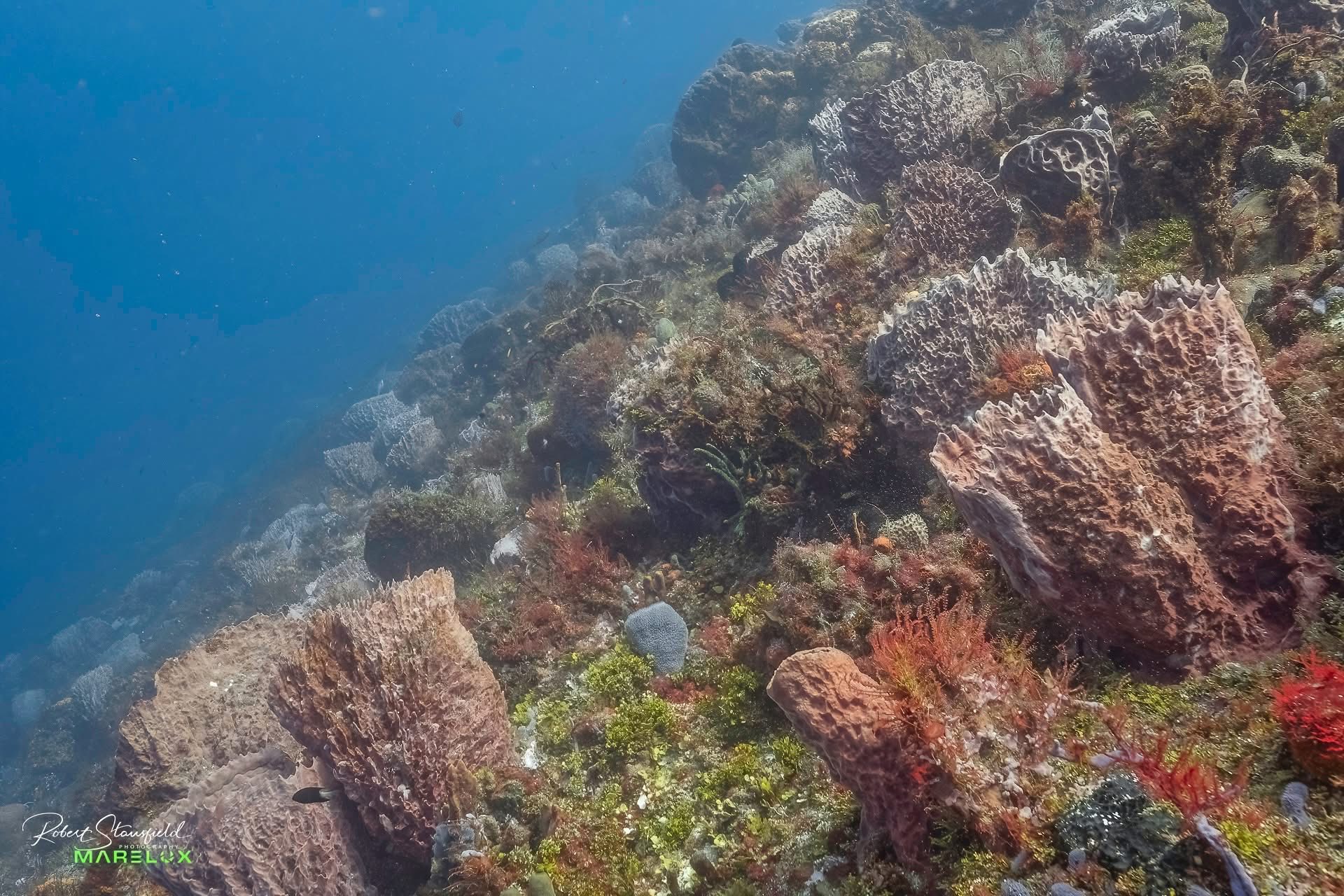
Divers and marine biologists warned that Villa Blanca is more than just a local reef. The shallow part of Villa Blanca serves as a nursery habitat for juvenile fish and corals undergoing active restoration. Additionally, the area where cruise ships would dock is a deeper reef with endangered corals and sponges thousands of years old, teeming with biodiverse marine life. Strategically located, Villa Blanca connects the southern protected reefs of Cozumel National Marine Park with the northern reef sites of San Juan and Barracuda.
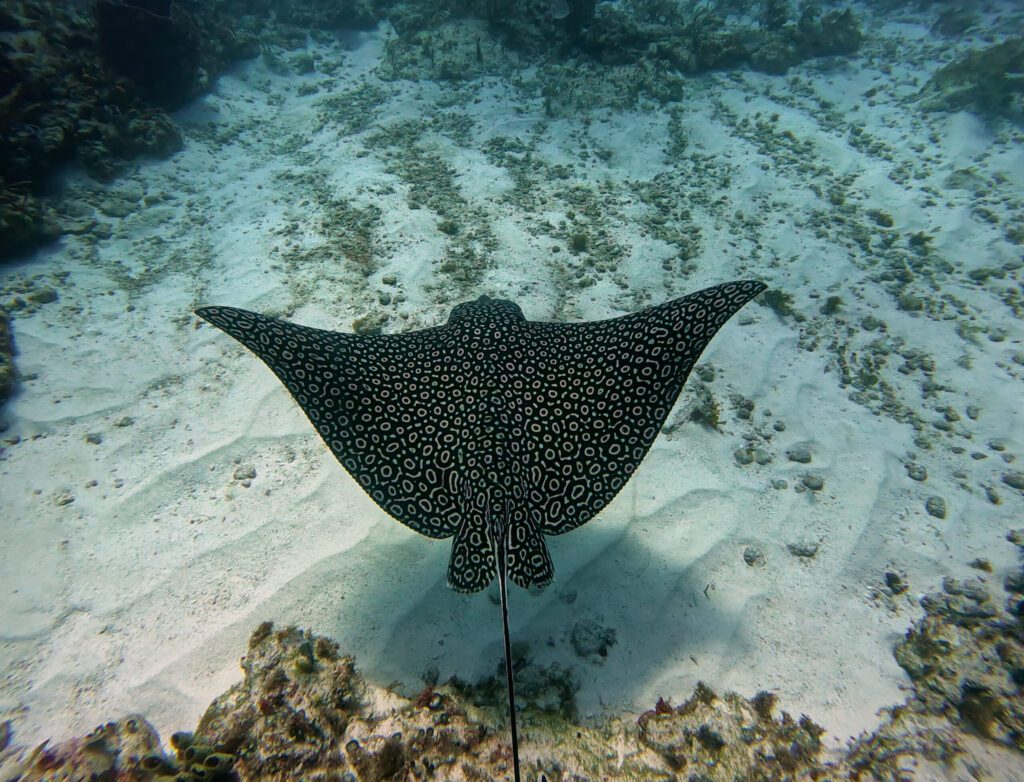
An Environmental Impact Statement (EIA) conducted in 2020 falsified information by stating that no significant coral structures were present. This would permit Muelles de Caribe the opportunity to build this pier, as they wouldn’t be causing any environmental damage in a barren area of the reef. However, in 2025, local marine biologists and scientists conducted a study and identified a crucial reef that is not included in the Cozumel National Marine Park. The proposed Fourth Pier would have destroyed this reef because they planned to build directly on top of it!
“You cannot replace a reef,” said one local conservationist. “Once you destroy a living system that took thousands of years to build, no amount of money brings it back.”
Citizens Mobilize
What happened next surprised even longtime residents. Dive operators closed early to attend town meetings. Locals and island visitors stood shoulder to shoulder with environmental students. Many local NGOs, social media influencers, and songwriters worked to raise international awareness, whatever was needed to keep the movement alive. Hundreds of people got involved to save the Villa Blanca reef!
Community actions included:
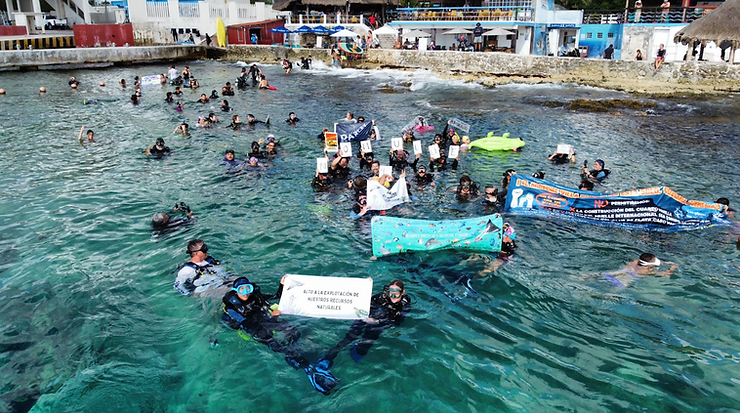
- Peaceful protests along the waterfront
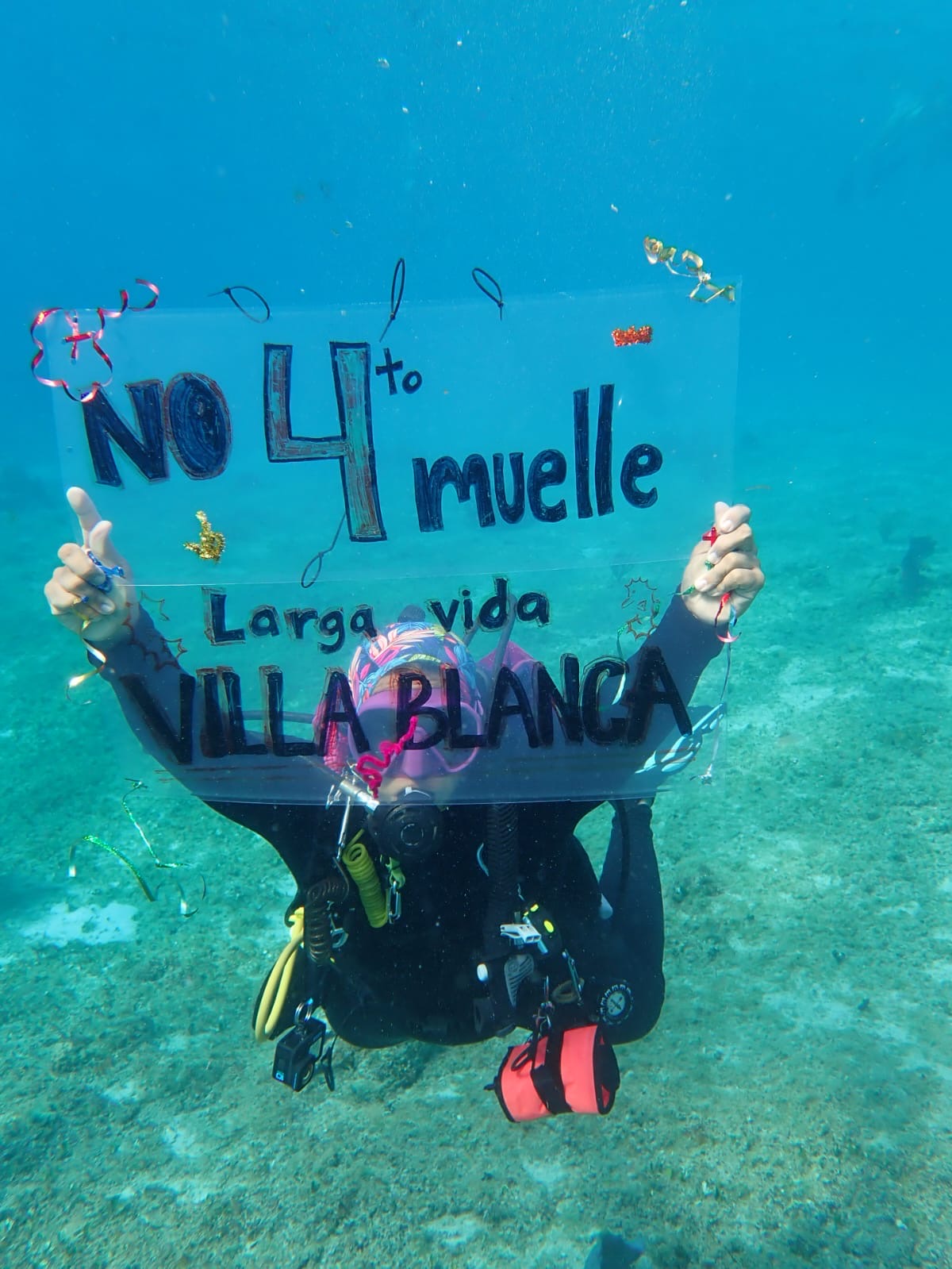
- Underwater demonstrations where divers held signs beneath the waves
- A collection of more than 150,000 signatures, gathered both online and in person, urging the government to stop the project.
- Legal filings by citizens’ groups demanding a halt to construction
- Social campaigns that spread from Cozumel to national and international audiences
The message was simple: Cozumel does not need another pier, but its reef needs every defender it has.
A Rare Victory for Villa Blanca Reef
After years of pressure, legal challenges, and scientific evidence presented by community advocates, federal authorities announced the cancellation of the Fourth Pier environmental authorization in 2025. On 11 September 2025, Semarnat’s under-secretariat notified that the EIA for the Fourth Pier project was revoked, citing omissions in the original assessment and ordering a new, rigorous evaluation.
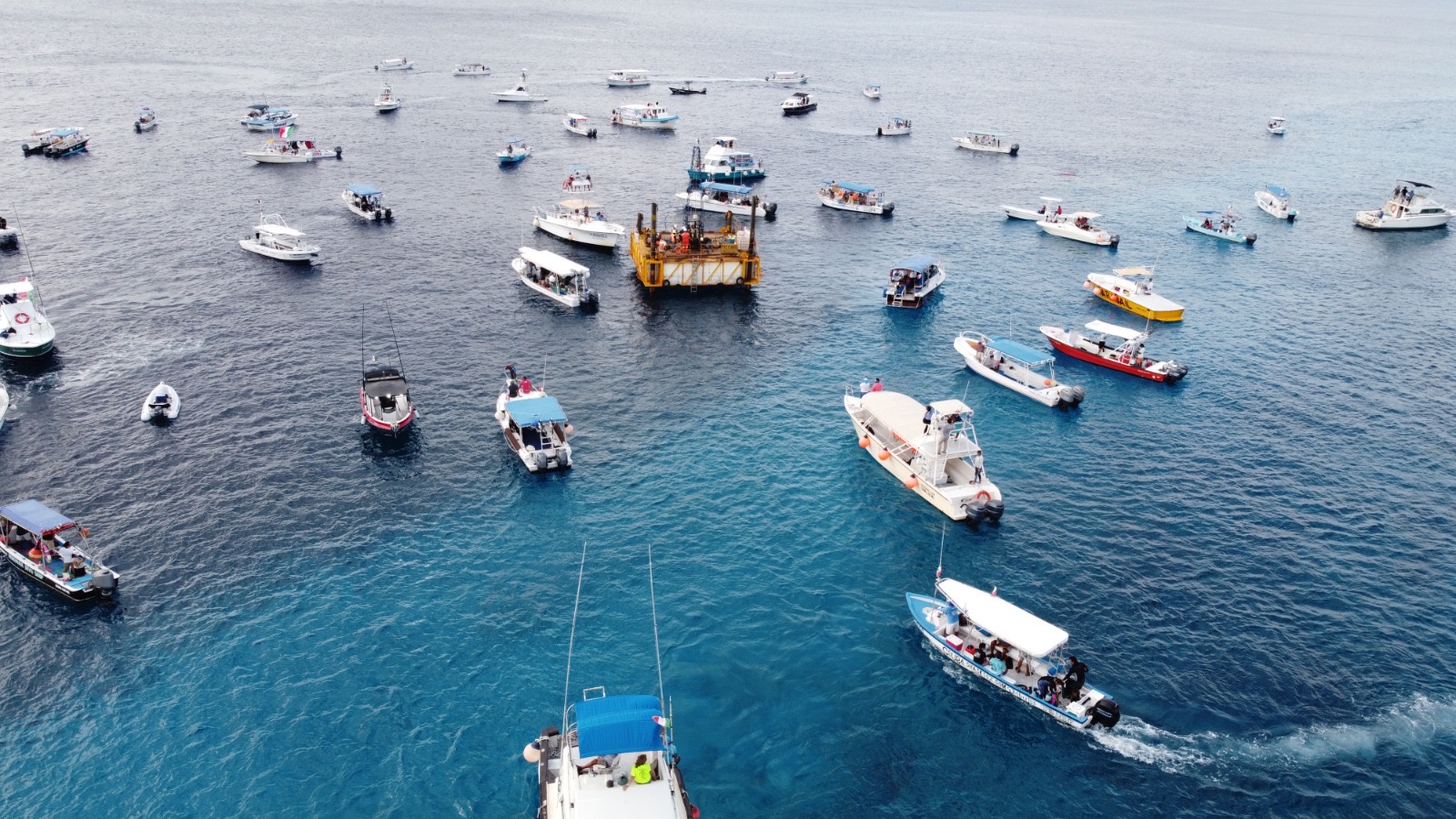
For many on the island, the news brought tears of joy. Their hard work and unity paid off, and they defeated a major cruise ship company. Boats honked. People gathered along the shore. Social media lit up with a single phrase: “El mar ganó.” (The ocean won.)
Why This Matters
Cozumel is one of the world’s top scuba destinations because its reefs are vibrant, diverse, and easy to access. However, it is also one of the busiest cruise spots worldwide, welcoming over 4 million cruise ship passengers annually—and it might soon reach 5 million! Therefore, this achievement wasn’t a rejection of tourism but a call for responsible tourism, where development doesn’t come at the expense of the ecosystems that support it.
Businesses that depend on the reef’s health—such as Sand Dollar Sports, freelance dive instructors, snorkel and glass bottom boat businesses, fishermen, and conservation groups—played a crucial role by educating visitors and amplifying the community’s message.
The reef was defended not by a corporation or a politician, but by:
- residents,
- divers,
- small businesses,
- scientists,
- and children learning to snorkel on the weekends.
Cozumel Proves Something Important
Environmental victories rarely come from one hero. They come from many voices refusing to be ignored.
This time, a reef was spared.
A beach remained public.
An ecosystem kept breathing.
And an island remembered that the sea belongs to everyone.