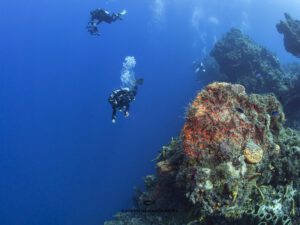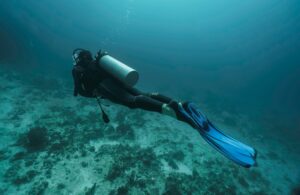
If you’ve ever gone scuba diving in Cozumel, chances are you’ve seen a parrotfish. They are among the most recognizable fish on a Caribbean reef, thanks to their bright colors, distinctive beak-like teeth, and constant grazing.
But parrotfish are much more than another colorful species for divers to photograph. They are herbivores and play an essential role in keeping coral reefs healthy. They even contribute to the formation of the beautiful white-sand beaches we enjoy above the water.
What waters do Parrotfish Inhabit?
Parrotfish are found primarily in the warm tropical and subtropical waters of the world’s oceans. They are especially abundant around coral reefs, where their constant grazing plays an important role in maintaining a healthy ecosystem.
They can be found throughout the Caribbean and western Atlantic, as well as across the Indian and Pacific Oceans, where their diversity is particularly high.
While coral reefs are their best-known habitat, some species also inhabit rocky reefs, seagrass beds, and other shallow coastal environments. For divers, these colorful fish are a familiar and important part of healthy tropical reef communities.
How Many Types of Parrotfish Are There?
Parrotfish are more diverse than you might think. There are roughly 90–100 recognized species of parrotfish worldwide, belonging to the family Scaridae. They are found primarily in tropical and subtropical marine environments, particularly around coral reefs throughout the Caribbean, Pacific, and Indian Oceans.
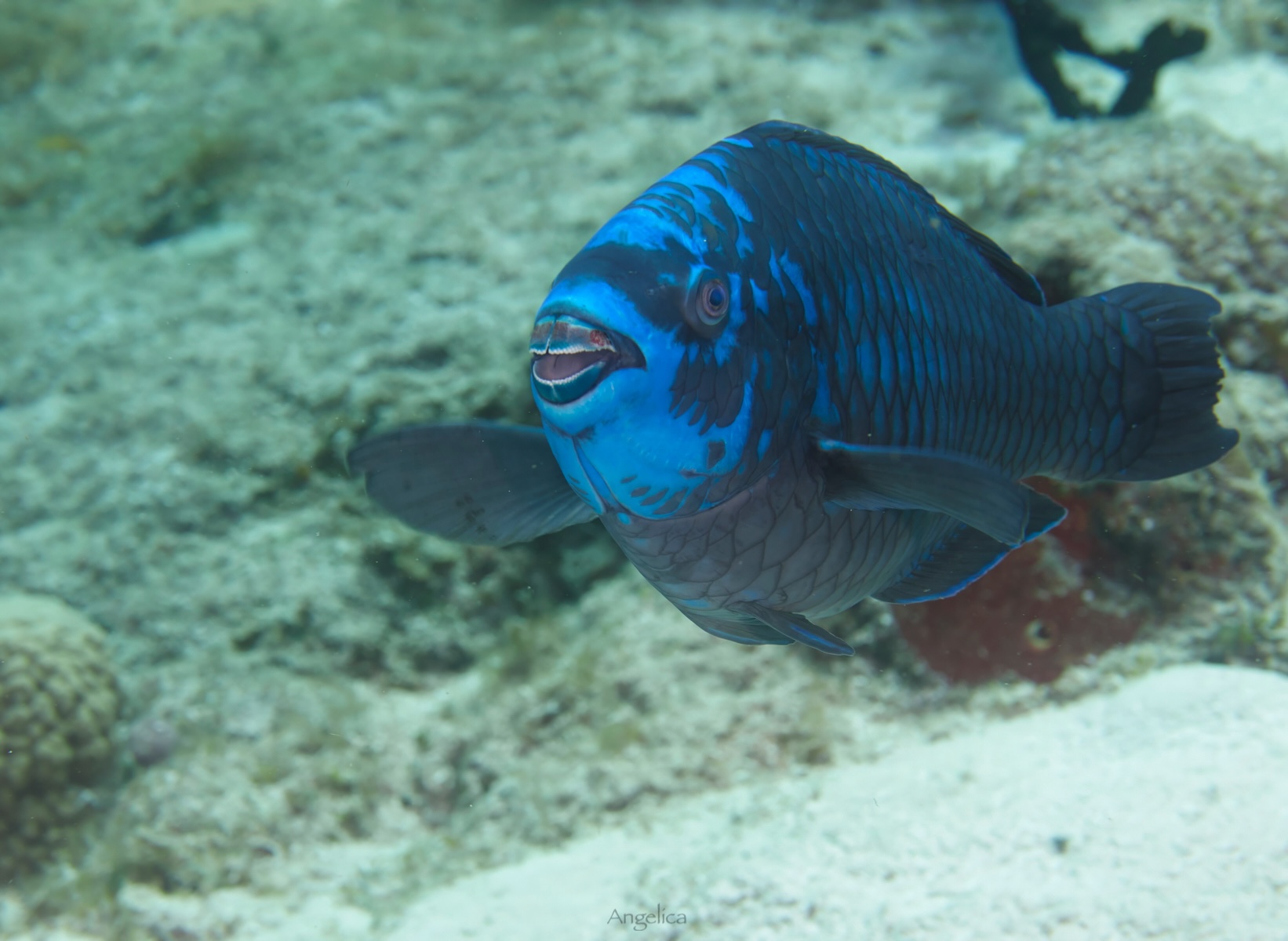
In the Caribbean, divers can encounter several species, including the stoplight, queen, princess, rainbow, midnight, and striped parrotfish. They vary considerably in size, color, and markings, but they all share the distinctive beak-like teeth that give the family its name.
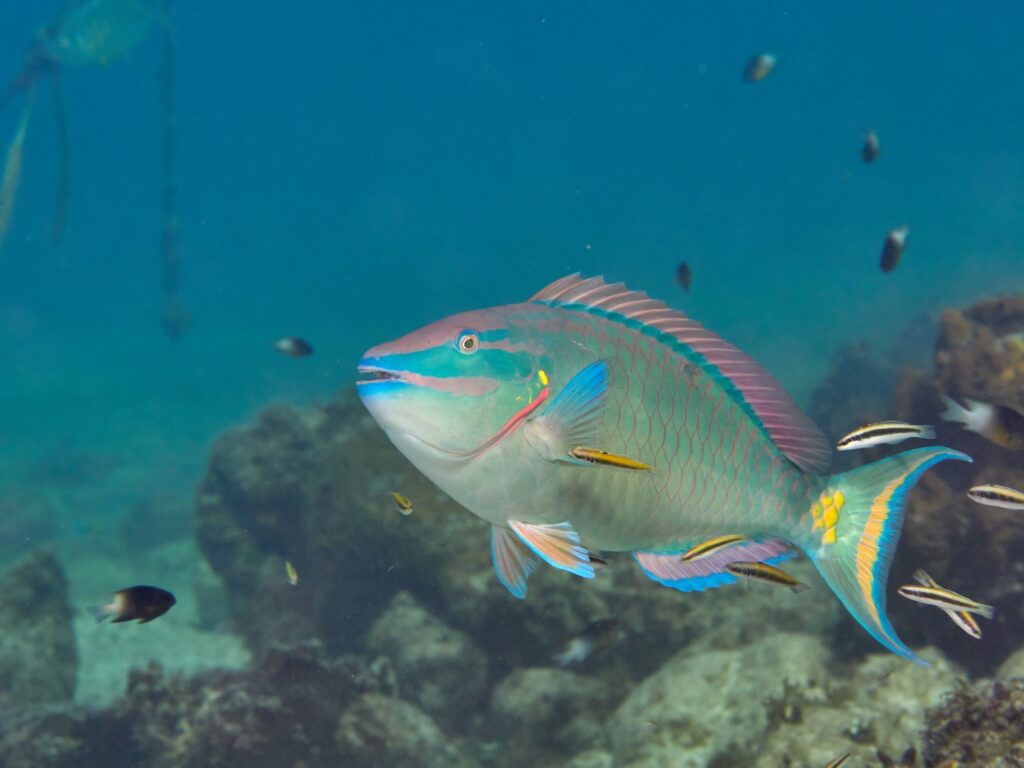
Some species also change appearance as they mature, making identification a little tricky for divers. The brilliantly colored fish you see on the reef may look very different from juvenile. intermediate, or terminal stages of the same species.
Stoplight Parrotfish Stages of Maturity
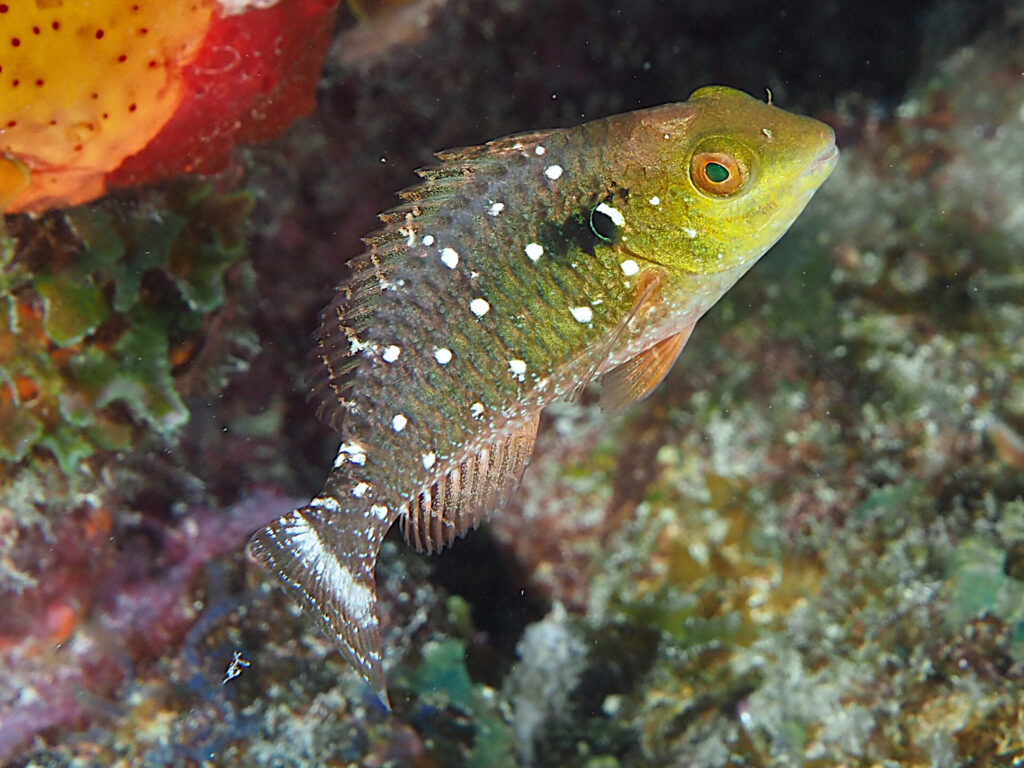
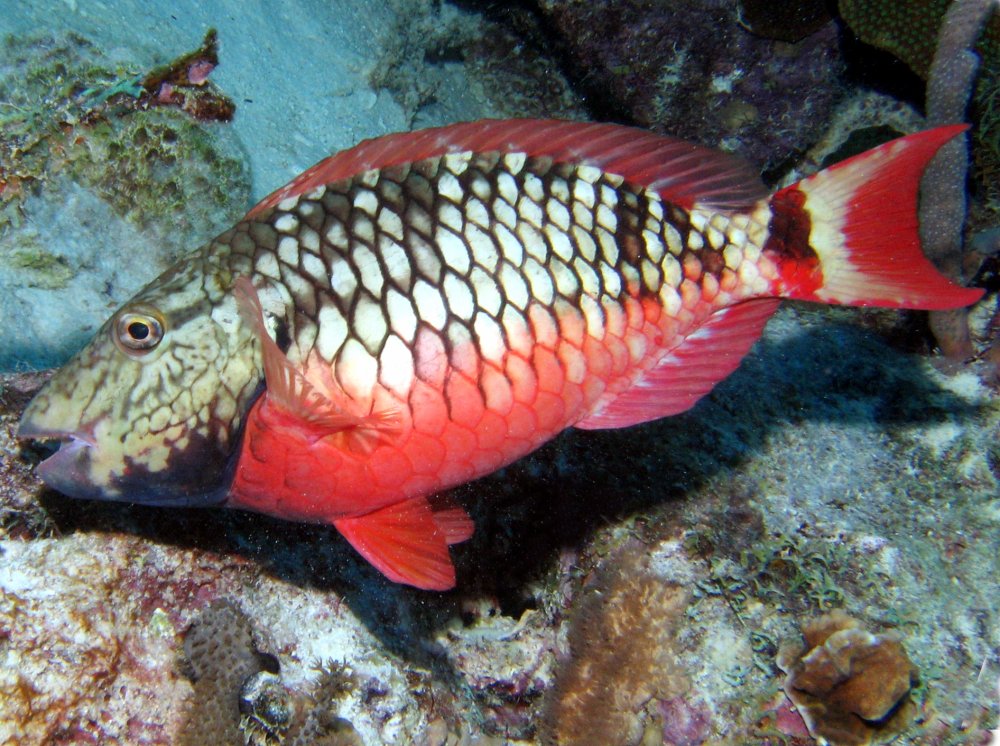
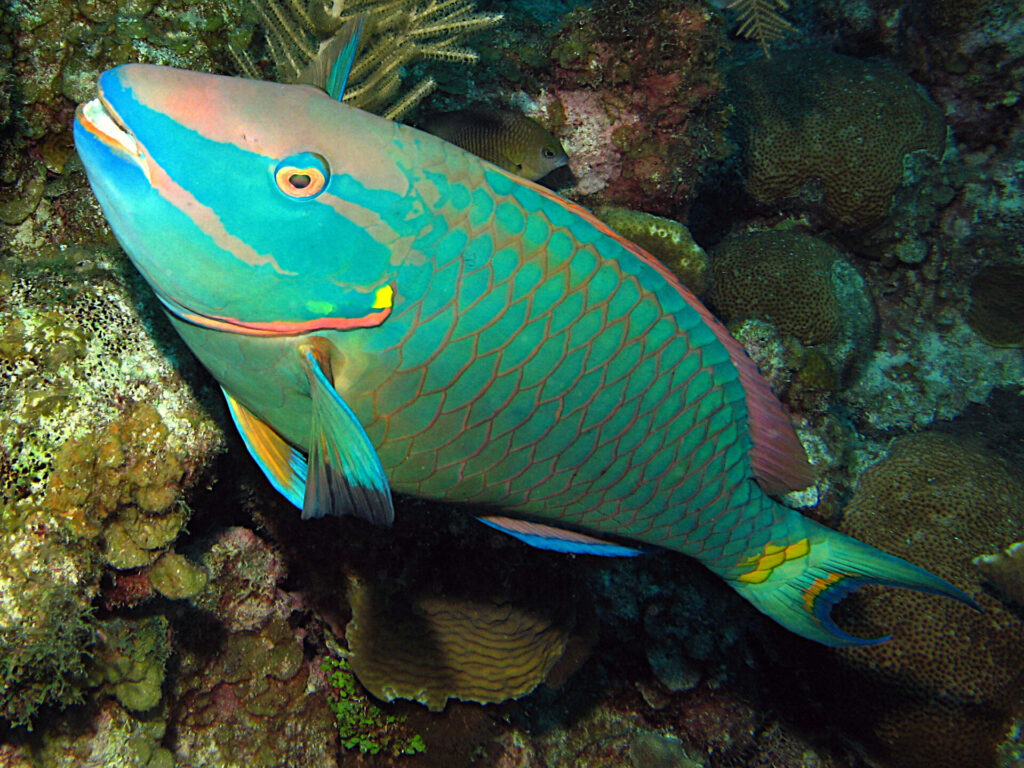
Despite their differences, parrotfish share an important role in the reef ecosystem: they are among the reef’s most important herbivores, constantly grazing on algae and helping keep coral surfaces clear and healthy.
What Makes Parrotfish So Special?
Parrotfish get their name from their unusual teeth, which are fused together to form a powerful, beak-like structure. This allows them to scrape algae and other material from the surfaces of rocks and coral.
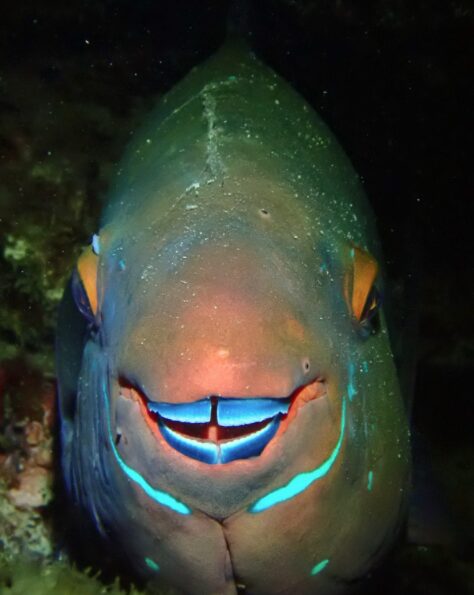
Depending on the species, parrotfish come in a remarkable variety of colors and patterns. Some are bright turquoise, green, blue, yellow, or pink, while others can change dramatically in appearance as they mature.
Their feeding behavior, however, is what makes them especially important to coral reef ecosystems.
Parrotfish Are the Reef’s Gardeners
Coral reefs may look like underwater gardens, but keeping them healthy requires a delicate balance. This is especially true when it comes to algae overgrowth.
Algae are a natural part of every coral reef ecosystem. Like plants on land, algae need sunlight, nutrients, and a surface where they can grow. Coral reefs provide all three. When there is a disturbance in the ecosystem, algae can overproduce and begin suffocating coral reefs.
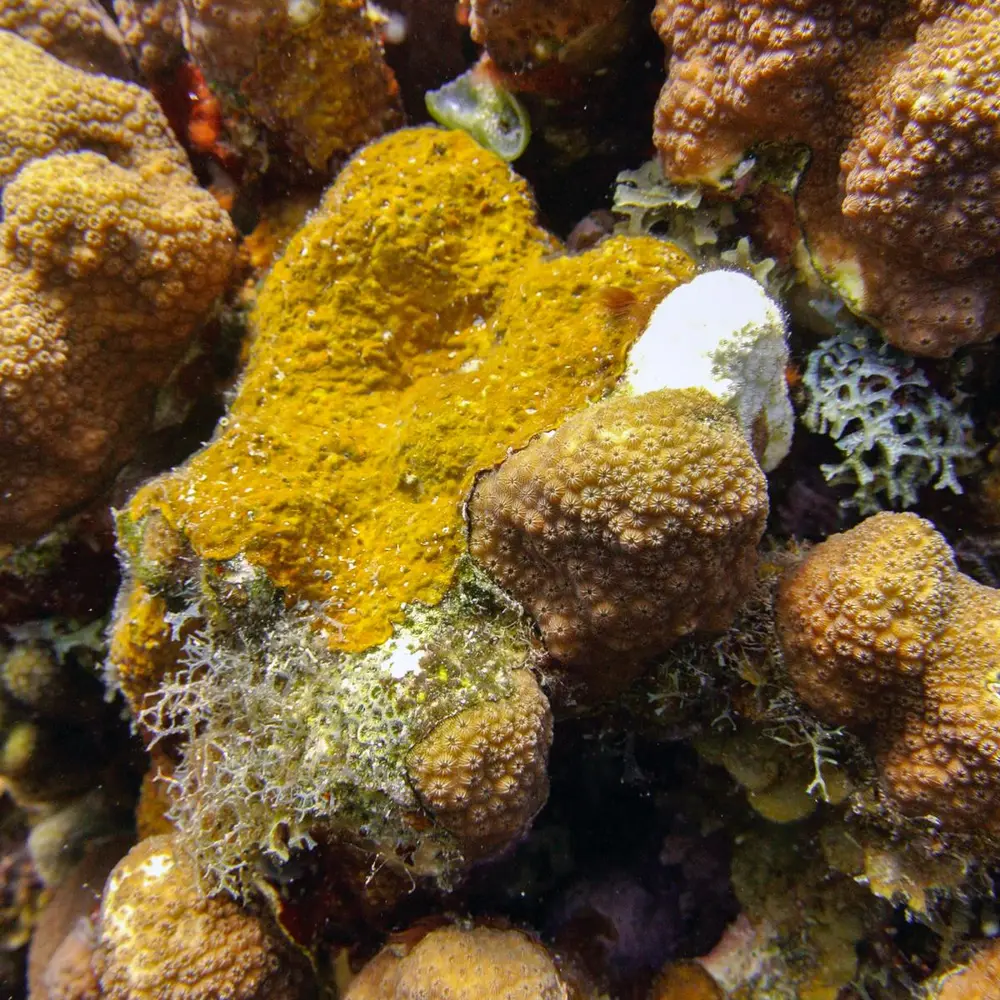
The problem isn’t algae itself—it’s when algae begin to outcompete corals. When coral dies or a reef is damaged, algae can quickly colonize the newly exposed surface. Excess nutrients from pollution and coastal runoff can fuel even more growth.
This is where herbivores like parrotfish become so important. By constantly grazing on algae, they help keep algae from taking over the reef. Their feeding creates space for corals to settle and grow, helping maintain the delicate balance between coral and algae.
How Do Parrotfish Make Sand?
Here’s one of the most fascinating things about parrotfish: some of the sand on tropical beaches was once part of a coral reef—and passed through the gut of a parrotfish.
When parrotfish scrape the reef, they don’t consume algae alone. Their beak-like teeth also remove tiny pieces of dead coral and other calcium carbonate material.
Inside the fish, the organic material is digested, while the hard calcium carbonate is processed and eventually excreted as very fine particles. Over time, these particles accumulate and can become part of the sand found along tropical beaches.
So the next time you relax on a beautiful Caribbean beach, remember that some of that sand may have had a surprising journey—from coral reef to parrotfish to beach.
Why Are Parrotfish Populations at Risk?
In many parts of the Caribbean, parrotfish face pressure from fishing and habitat degradation. Larger parrotfish can be particularly important grazers, making the protection of mature individuals especially valuable to reef ecosystems.
As coral reefs face increasing pressures from climate change, pollution, coastal development, disease, and other threats, maintaining healthy populations of herbivorous fish becomes even more important.
A resilient reef needs its grazers—and parrotfish play an important role in keeping reef ecosystems healthy. But did you know these remarkable fish can actually change sex to help keep their populations strong?
Parrotfish live in groups called harems, typically led by one large, brightly colored male. If that male dies or leaves the group, the largest female can change sex and take over his role. This remarkable adaptation helps ensure the group continues to thrive and reproduce.
5 Ways Divers can Help Protect Parrotfish
As divers, we have an opportunity to see parrotfish at work every time we visit a healthy reef. We can also help protect them and the ecosystems they support.
1. Follow Local Fishing Regulations
- Marine parks and protected areas often have regulations designed to protect important reef species. Respecting these rules helps preserve fish populations for future generations. Some countries, such as Bahamas and Bermuda, have banned fishing parrotfish.
2. Choose Responsible Dive Operators
- Look for dive centers that actively participate in reef conservation and sustainable diving practices. Your tourism dollars can help support businesses that are investing in the health of the marine environment.
3. Never Feed Marine Life
- Feeding fish can alter their natural behaviors and disrupt the balance of marine ecosystems. The best way to interact with parrotfish is simply to observe them doing what they naturally do.
4. Be a Responsible Diver
- Practice good buoyancy and avoid touching or standing on the reef. Even small actions can make a difference when thousands of divers visit the same ecosystem each year.
5. Support Reef Conservation
- Whether it’s participating in a reef restoration project, supporting marine conservation organizations such as the Cozumel Coral Reef Restoration Program, or simply learning more about the threats facing coral reefs, every effort helps.
Protecting Parrotfish Means Protecting Our Reefs
The next time you see a parrotfish grazing across a Cozumel reef, take a moment to watch what it’s doing. That colorful fish is helping keep algae in check. It’s helping maintain space for corals. And it’s contributing to the creation of the sand beneath our feet.
Parrotfish may not receive as much attention as sea turtles, rays, or sharks, but their contribution to the health of Caribbean reefs is enormous.
When we protect parrotfish, we protect more than a beautiful reef fish. We protect the coral reefs they help maintain, the marine life that depends on those reefs, and even the beaches that make the Caribbean so special.
The next time you hear that familiar crunch while diving in Cozumel, remember you’re listening to one of the reef’s most important workers.
Now that you have learned about parrotfish, why not book a trip to Cozumel for some awesome water activities? The diving is great these days- clear, warm waters and bright, sunny days. And it’s still low season, which means fewer crowds and better scuba diving for you!
FAQs about Parrotfish
Yes—but they’re only part of the story. Tropical beach sand can come from many sources, including eroded rocks, shells, coral, and the remains of other marine organisms. Parrotfish contribute to this process by scraping algae from reefs and grinding up small amounts of calcium carbonate from dead coral. The resulting particles are eventually excreted as fine sediment that can become part of the sand on tropical beaches. So while parrotfish don’t make all the sand, they can be surprisingly important contributors to the beautiful white sand found around many Caribbean islands.
Yes. Some parrotfish species can change sex during their lifetime. In certain social groups, when the dominant male disappears, the largest female can transition into a male and take over his role. This remarkable reproductive strategy helps the group continue to reproduce.
Parrotfish aren’t actually eating coral for food. Their powerful, fused teeth scrape algae from reef surfaces, but they also remove small amounts of dead coral and calcium carbonate in the process. That distinctive crunching sound divers hear underwater is a parrotfish hard at work.
Parrotfish are essentially the gardeners of the reef. By constantly grazing on algae, they help prevent it from overgrowing and competing with corals. Their feeding helps maintain open surfaces where corals can settle and grow, making healthy parrotfish populations an important part of a healthy reef ecosystem.
Parrotfish can change dramatically in appearance as they mature. Juveniles, intermediate-stage fish, and adults of the same species can have very different colors and patterns. Some species also differ between females and males, which can make them surprisingly hard to identify underwater.