Table of Contents
Have you ever seen a photo of a sea turtle gliding through a coral garden and felt as if you were right there beside it? Or watched a video of a diver drifting through a school of colorful reef fish and thought, I wish I could see that with my own eyes? That’s the magic of underwater photography — it allows us to share the wonder of the ocean with people who may never experience it firsthand.
For divers, capturing those moments can be deeply rewarding, but it also comes with challenges that every beginner should understand. Before you bring a camera underwater, it’s essential to gain experience, master buoyancy, and learn how to protect the marine world you’re photographing. We’ll share the basics of what you should know in this blog.
Why You Should Wait Before Bringing a Camera Underwater
It’s tempting to buy a camera as soon as you’re certified, but taking photos underwater adds extra things to think about and can distract you from staying safe. Most dive pros suggest waiting until you’ve logged at least 40-50 dives or have an advanced certification before starting underwater photography. By then, you’ll have the muscle memory for good buoyancy, checking your air, and staying aware of your surroundings. These skills make it much easier to handle a camera safely while protecting the marine environment.
If you start too soon, you might pay more attention to your camera than your dive computer or buddy. This can lead to losing track of your air or depth, which could cause serious problems like running out of air, missing safety stops, or coming up too quickly, all of which are dangerous.
Buoyancy: The Foundation of Great Underwater Photography
Great buoyancy isn’t just about safety; it’s what makes the difference between a good diver and a great underwater photographer. If you’re carrying too much weight or can’t hover easily, your photos won’t turn out well, and you could harm coral. Even one fin kick can break coral or stir up sediment that damages reefs.
Work on your buoyancy until you can stay still in the water, change your depth just by breathing, and move with small, careful fin kicks without touching the bottom. Good breath control is key for underwater photos, since even small moves while holding a camera can blur your shots or make you bump into marine life. Once these skills feel natural, you’ll be ready to bring a camera without risking the environment or your pictures.
Practical tip: Practice hovering and observing marine life while diving. See if you can remain in one spot with minimal movement.
Respect Marine Life
Marine life shows emotions of fear and distress. A photographer must be sensitive to how much attention from you and your camera they can take. Be sure to practice these guidelines:
Before the Dive
- Perfect your buoyancy first – Practice neutral buoyancy before bringing a camera. Poor control can lead to accidental contact with coral or marine animals.
- Plan your shots in advance – Familiarize yourself with your equipment topside so you don’t have to fumble underwater and risk damaging the reef.
- Understand marine biology – Knowing how fish, turtles, or invertebrates behave helps you anticipate their movements and capture better, more natural shots.
During the Dive
- Avoid touching or chasing wildlife – Never bait, corner, or manipulate animals for a shot. Let them come to you naturally.
- Keep a respectful distance – Give large animals (like turtles or rays) extra space so they don’t feel threatened.
- Move slowly and calmly – Sudden movements or loud exhalations can scare fish and alter their natural behavior.
- Avoid flash or strobe overuse – Some species are sensitive to light; minimize flash, especially around nocturnal creatures.
- Don’t block escape routes – Always position yourself so the animal can easily swim away.
- Stay off the bottom – Avoid kneeling or resting on the seabed, as this can damage delicate habitats and stir up sediment that ruins visibility and photos.
- Be mindful of fins, hoses, and equipment – Keep your gear streamlined to avoid accidental contact with coral or marine life.
- Prioritize observation over the “perfect shot” – If an animal looks stressed (e.g., rapid swimming, color change, defensive posturing), back off immediately.
- Don’t feed – This disrupts natural behaviors and can make marine animals dependent on humans.
Best Entry-Level Cameras for Underwater Photography
You don’t need professional gear to begin. Here are beginner-friendly cameras that perform well in Cozumel’s Caribbean waters:
- Olympus Tough TG-7 – Rugged, easy to use, and waterproof to 15 m (50 ft). Add a housing for deeper dives. Excellent for macro shots and 4K video.
- GoPro HERO12 Black – Compact and perfect for wide-angle reef scenes. Pair it with a red filter or video light for accurate color at depth. It’s also essential to set your GoPro up settings for underwater use.
- SeaLife Micro 3.0 – A fully sealed underwater camera designed for divers. Simple controls and great image quality without the need for a housing.
- Your mobile phone – Some mobile phones have housing available so you can take photos or videos underwater. Divevolk is priced well for beginners.
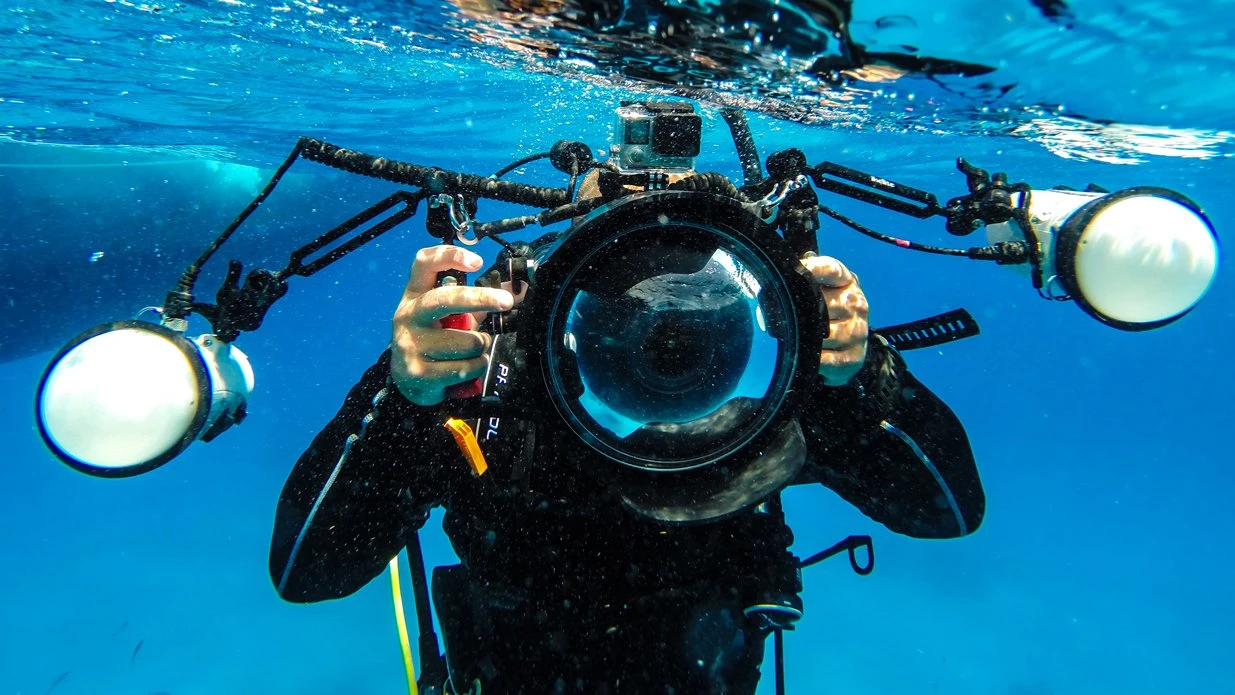
Pro Tip: Good lighting changes everything. Adding a video light or strobe helps bring back the real colors that disappear below 10 meters. For beginners, a video light is easier to use because it gives steady light and helps you frame and focus. If you’re just starting out, a small video light is a smart first step. We suggest an Orcatorch D710V because of its high quality and affordable cost.
Recommended Books, Websites, and YouTube Channels
Here are some trusted resources to help you learn and grow as an underwater photographer:
Books
- Underwater Photography by Alex Dawson – Practical guidance on lighting, composition, and camera techniques for divers of all levels.
- The Underwater Photographer by Martin Edge – A classic reference covering the art and science of underwater imaging, from beginner to advanced.
Websites
- Underwater Photography Guide – Tutorials, gear reviews, and inspiration from professionals around the world.
- Kate Jonker Olympus TG Online Course – TG underwater photography made easy. Learn how to use the camera in 5 days.
YouTube Channels
- Backscatter – Expert tutorials, lighting tips, and gear setup guides for all experience levels.
- Kate Jonker – PADI instructor sharing easy-to-follow photo and video tutorials for divers.
- Ocean Imaging – Focused on cinematic underwater video, editing, and color correction.
- Brent Durand – Professional underwater photographer offering in-depth tutorials, gear reviews, and practical tips for improving your shots.
Taking time to learn from these resources will help you improve faster, capture better images, and protect the reef while you dive.
Learning Tip: We recommend looking at many underwater photos and videos to see what makes the difference between a great photo or video and a less appealing one.
Avoid These Common Mistakes
New photographers can be prone to overlooking basic dive safety in pursuit of the perfect shot. A distracted diver endangers their own safety and the reef’s health. Prioritize safety by following a strict pre-dive checklist every time.
This checklist keeps you alert and sharp, so your diving skills never lapse when photographing:
- Ensure enough air.
- Check starting depth.
- Secure camera gear to avoid distraction.
- Stay close to your buddy. Never drift off while filming.
- Respect marine life. Never chase, touch, or corner animals for photos.
- Stay off the reef. Keep your distance to prevent damage.
A distracted diver endangers their own safety and the reef’s health.
Responsible Photography Helps Protect the Ocean
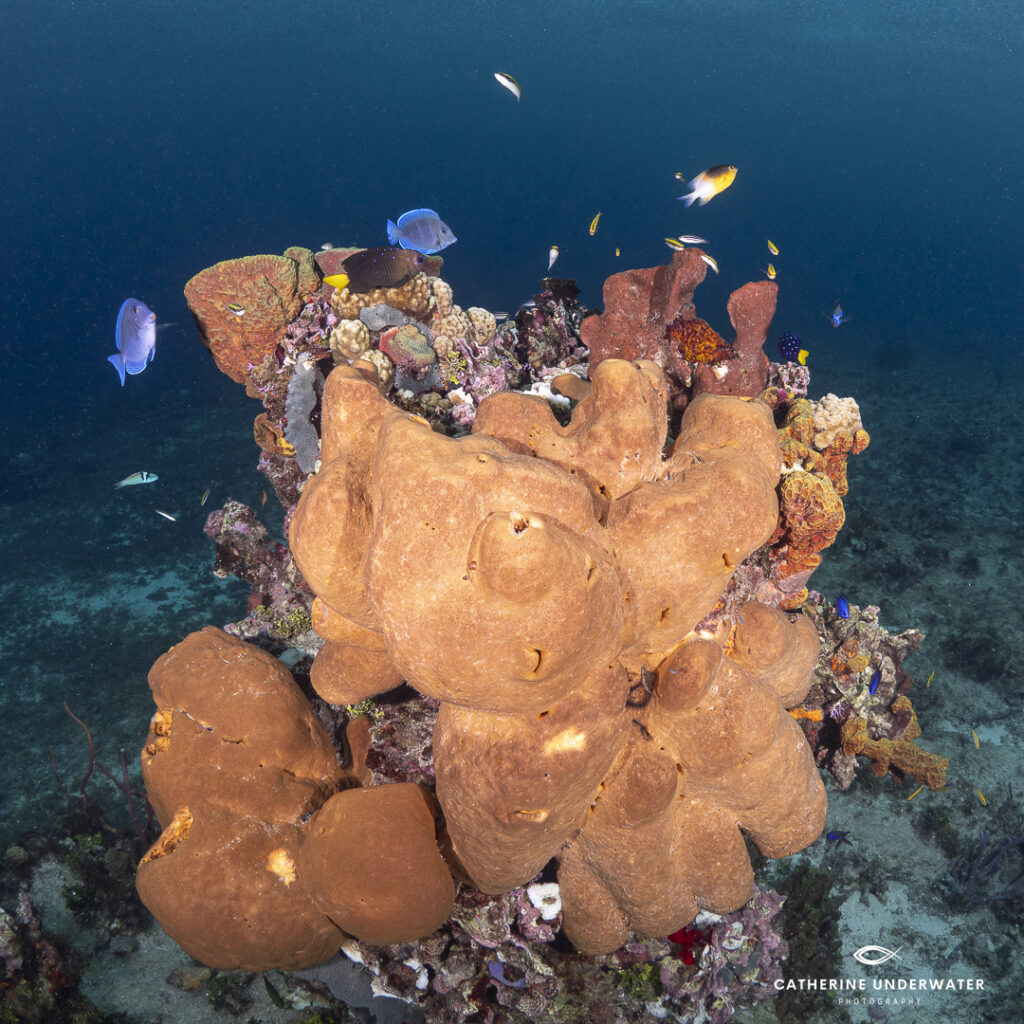
When practiced responsibly, underwater photography inspires ocean conservation. Stunning images of Cozumel’s reefs help others value their beauty and grasp what’s at stake if lost.
Join us at Sand Dollar Sports to become an ocean advocate. Explore responsibly, learn new skills, and help protect Cozumel’s reefs for the future. Book your next adventure with us and make a real difference for the ocean.