Is it dangerous to dive with sharks in Cozumel?
Cozumel, one of Mexico’s most famous dive destinations, attracts thousands of scuba divers every year with its vibrant coral reefs, crystal-clear waters, and abundant marine life. Among the many marine creatures divers dream of encountering, sharks in Cozumel hold a special place. The idea of diving with sharks sparks both excitement and hesitation, especially when it comes to nurse sharks—gentle bottom-dwellers that have made the reefs of Cozumel their home.
But here’s the big question: Is it dangerous to dive with sharks in Cozumel? The short answer is no, not if you follow proper diving practices. Let’s dive deeper (pun intended!) into the facts, myths, and safety tips.
Table of Contents
Why Cozumel is Famous for Scuba Diving
Cozumel is part of the Mesoamerican Barrier Reef System, the second-largest barrier reef in the world. This underwater paradise offers:
- Unparalleled visibility (often exceeding 80 – 100 feet).
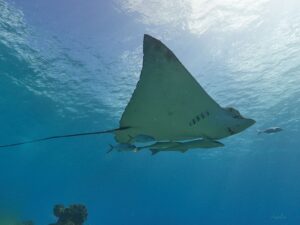
- Diverse marine life, including turtles, rays, and sharks.
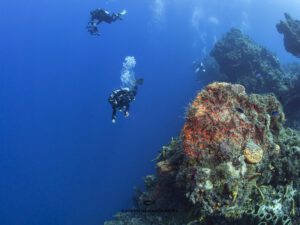
- Drift diving adventures where the current gently carries divers along coral walls.
This makes scuba diving in Cozumel one of the most bucket-list-worthy experiences for both beginners and seasoned divers. Yet some divers are afraid to dive here because Caribbean waters are home to several species of sharks. Let’s learn more about them to calm any fears.
Types of Sharks You Might Encounter in Cozumel
Nurse Sharks
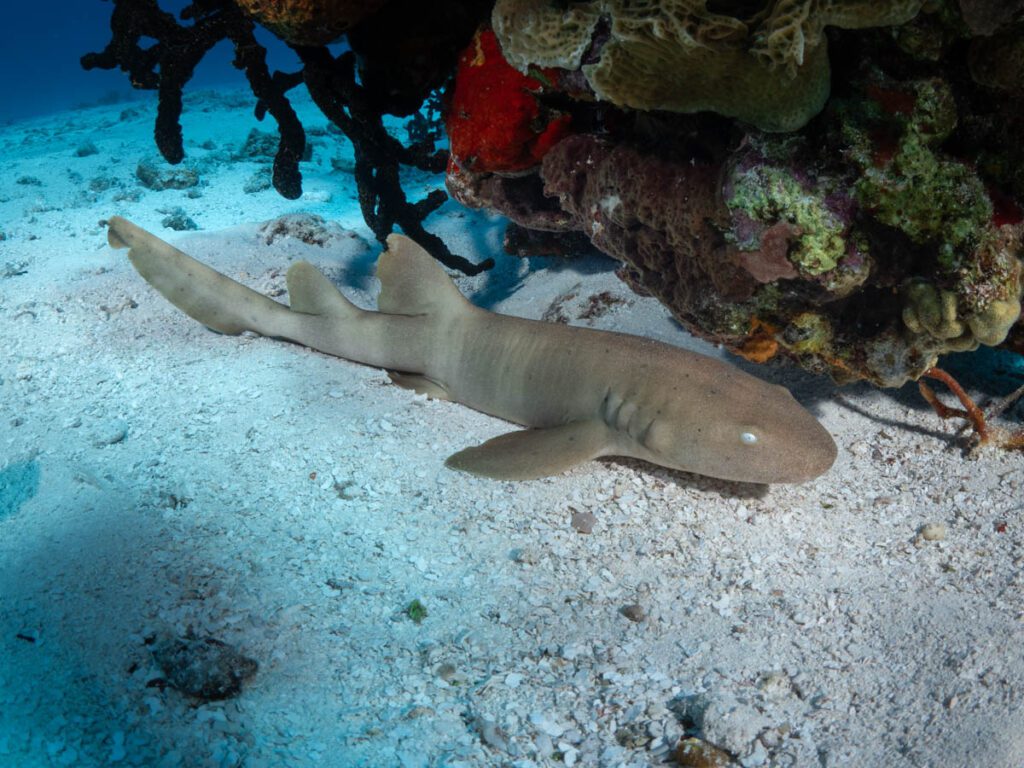
Nurse sharks are the most common sharks in Cozumel. They are nocturnal, bottom-dwelling, and essentially harmless.
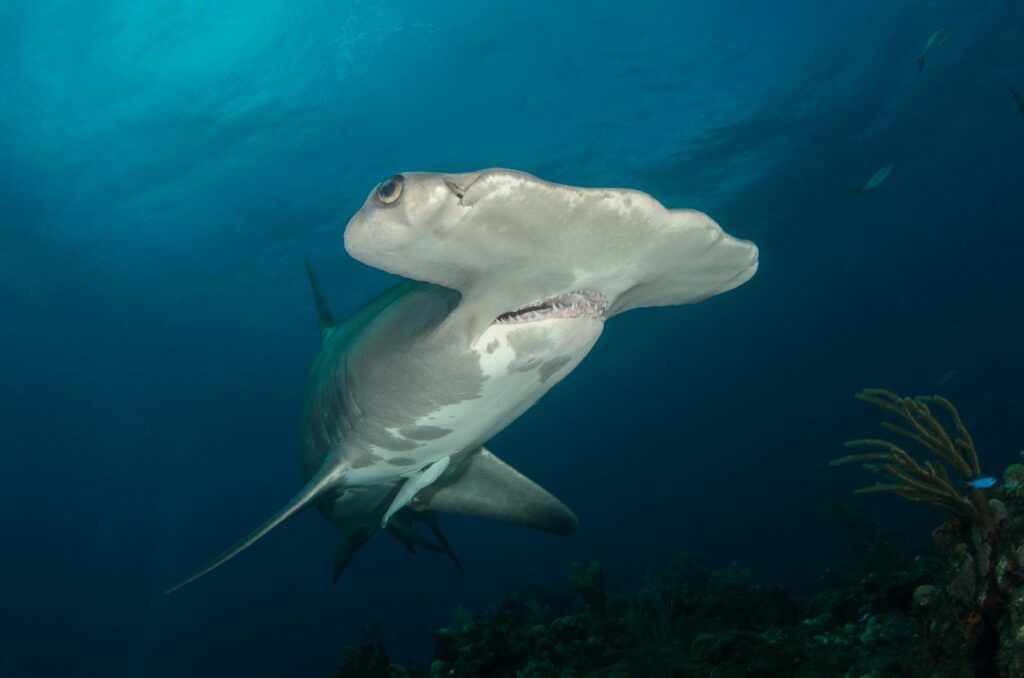
Hammerhead Sharks
Hammerheads are rarely seen around Cozumel reefs but can be encountered in the southern reefs during the spring. (Bull sharks are found in Playa del Carmen but not in Cozumel.)
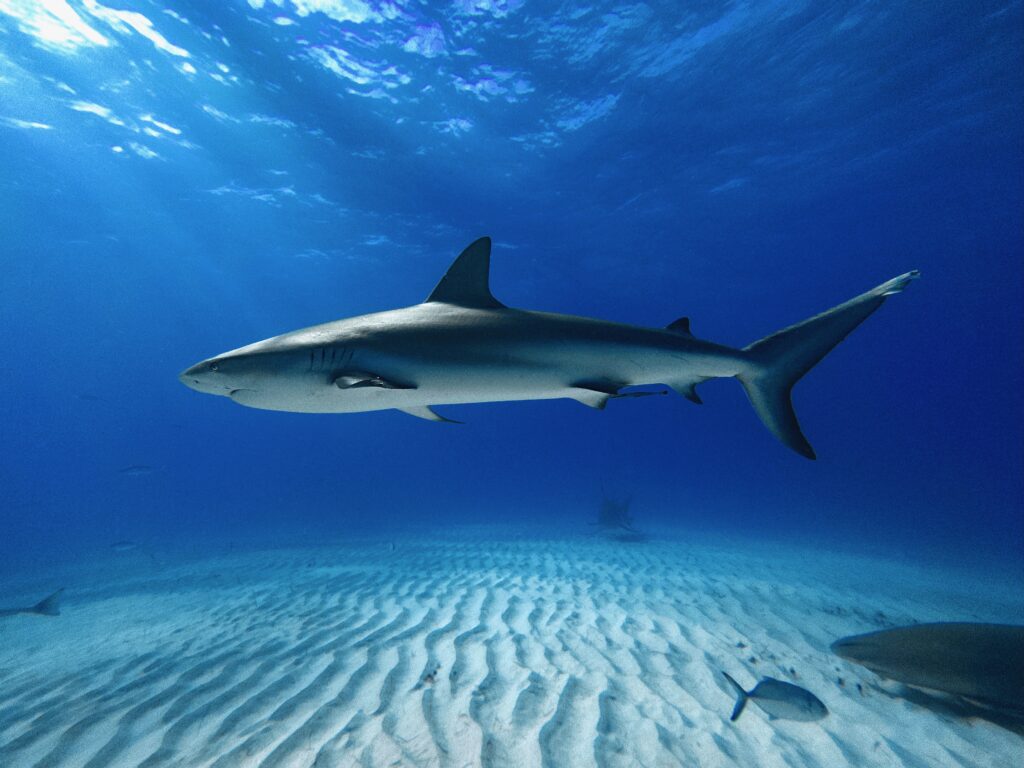
Caribbean Reef Sharks
These shy creatures are rarely seen as they prefer to stay in deeper areas. These quiet guardians help maintain the ecosystem’s balance by regulating fish populations.
Understanding Nurse Sharks
Physical Characteristics
Nurse sharks can grow up to 10 feet long but are typically seen at lengths of 6–8 feet. They are recognized by their rounded heads, small barbels, and brownish-gray skin.
Typical Behavior in the Wild
They’re slow-moving, bottom-dwelling fish that prefer resting during the day in caves and under ledges. At night, they forage for crustaceans, stingrays, and small fish. However, many lucky divers have seen them out and about during the day gently gliding above the reef.
Are Nurse Sharks Dangerous to Divers?
Generally, no. Nurse sharks are considered docile and non-aggressive. However, like any wild animal, they should be respected. Provoking or attempting to touch them could result in defensive behavior.
Scuba Diving in Cozumel with Sharks
Popular Dive Sites Where Sharks Are Found
- Palancar Reef – Known for its coral formations and frequent nurse shark sightings. Hammerheads have been sighted here as well, although rarely.
- Santa Rosa Wall – A favorite drift dive with a chance to see resting nurse sharks. Tiger sharks have also been spotted here, but they are not common.
- Columbia Reef – Caves and swim-throughs where sharks may be napping.
- Cedral Pass – Nurse sharks are often seen here on the flat, sandy areas and under ledges during the day.
Safety Tips for Diving with Nurse Sharks
- Maintain a respectful distance.
- Avoid touching or chasing sharks.
- Stay calm and enjoy the encounter.
- Always dive with a professional guide.
What to Do if You Encounter a Shark While Diving
- Stay neutral and relaxed and keep your hands tucked under your arms.
- Observe quietly without rapid movements.
- Allow the shark to swim away at its own pace.
- Don’t chase after them trying to get a shot. In fact, scuba divers are advised against chasing any marine life as it can cause stress.
Myths vs. Facts About Sharks in Cozumel
Myth: Sharks in Cozumel attack divers.
Fact: Shark attacks are extremely rare and almost always linked to provocation. The last known suspected attack was in 1993.
Myth: Nurse sharks are aggressive.
Fact: They are nicknamed “the couch potatoes of the sea” because of their calm demeanor.
Myth: You shouldn’t dive where sharks live.
Fact: Sharks are essential for healthy reefs, and diving near them is both safe and awe-inspiring.
The Status of Sharks in the World
Around the world, sharks are facing unprecedented pressure, with scientists estimating that more than 100 million are killed each year. The leading cause is shark finning, a brutal practice in which sharks are caught, their fins removed for dishes like shark fin soup, and their bodies discarded. Many others are taken as bycatch in large-scale fishing operations or targeted for their meat, oil, cartilage, and other products. Studies show that the populations of oceanic sharks and rays have decreased by more than 70% since the 1970s.
Why does this matter? The loss of sharks has far-reaching consequences, as they are apex predators that regulate marine ecosystems by controlling the populations of prey species. Without them, mid-level predators can overpopulate, leading to the collapse of coral reefs, seagrass beds, and other critical habitats. These ripple effects threaten biodiversity, weaken ocean resilience, and ultimately impact fisheries and coastal communities that depend on healthy seas for food security and livelihoods.

FAQs About Scuba Diving with Sharks in Cozumel
Is it safe to swim near nurse sharks?
Yes, nurse sharks are docile. Just avoid touching them.
Can nurse sharks bite scuba divers?
Only if provoked. Accidents are rare and usually caused by divers feeding or harassing them.
What’s the best season to see sharks in Cozumel?
Year-round, though nurse sharks are more active at night.
Do I need special training to dive with sharks?
Basic open-water certification is enough for nurse shark dives.
Are nurse sharks protected in Cozumel?
Yes, local regulations help preserve marine life, including sharks. Fishing of any kind is strictly forbidden in the Marine Park.
How close can I get to a shark while diving?
Stay at least a few feet away and let the shark decide the distance.
Conclusion: The Truth About Sharks in Cozumel
So, is it dangerous to dive with nurse sharks in Cozumel? Not at all. These gentle sharks are more likely to nap on the seabed than to pay divers any attention. With the guidance of professional dive operators like Sand Dollar Sports, scuba divers can safely enjoy unforgettable encounters with these fascinating creatures while exploring one of the most beautiful reef systems in the world.
If you’re planning scuba diving in Cozumel, don’t miss the chance to meet its most misunderstood residents—the nurse sharks. They just might become the highlight of your underwater adventure.